“Intention is the leader of things; intention is first, they’re made by intention. If with corrupt intent you speak or act, suffering follows you, like a wheel, the ox’s foot.”
Manopubbaṅgamā dhammā, manoseṭṭhā manomayā; Manasā ce paduṭṭhena, bhāsati vā karoti vā; Tato naṁ dukkhamanveti, cakkaṁva vahato padaṁ.
Buddha Quotes on Life, from the Dhammapada
121 verses of 423 · English by Bhikkhu Sujato (CC0) · Pali alongside
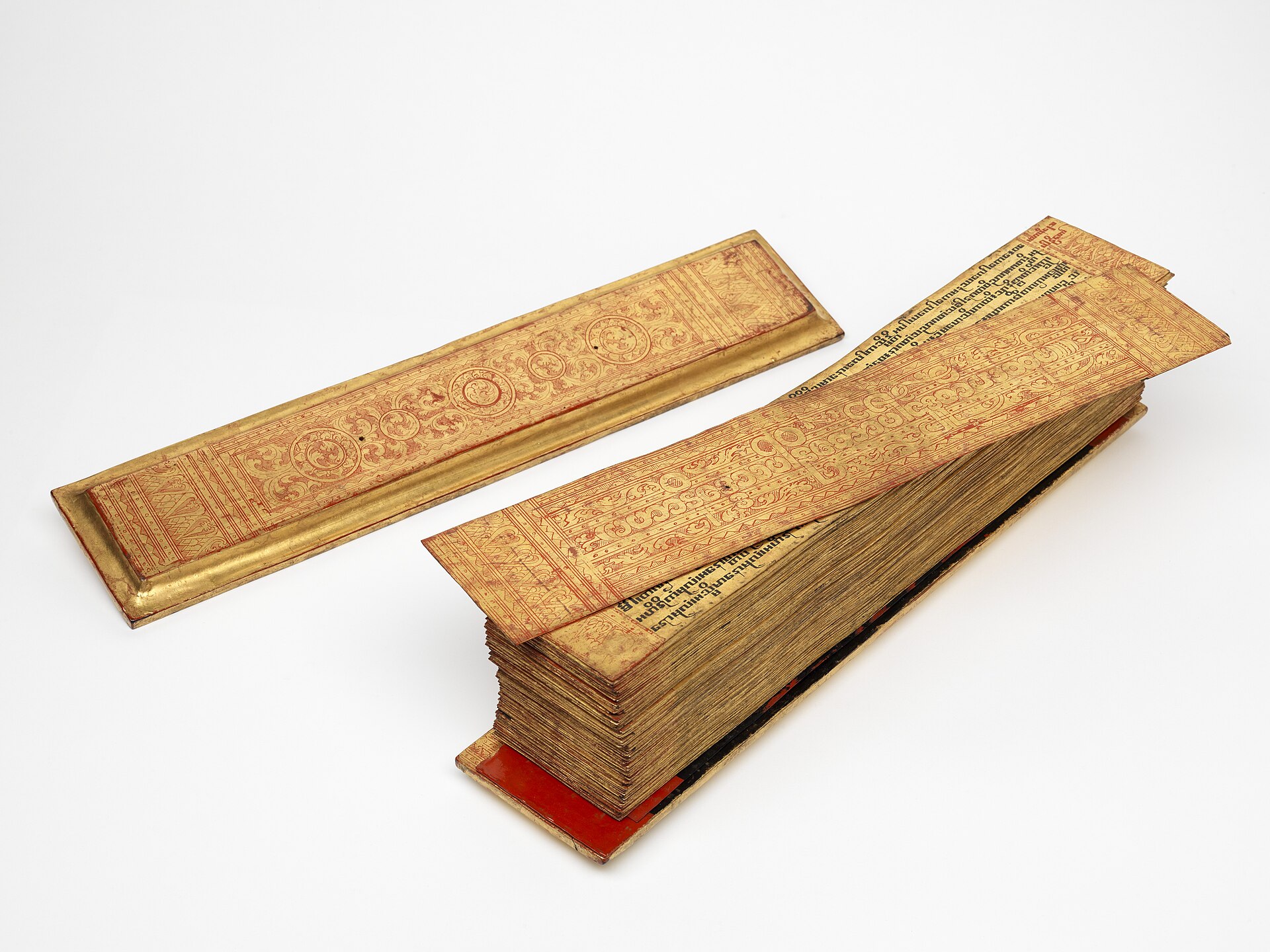
The Dhammapada does not talk about “life” as a topic. It talks about the day you are in the middle of: what you intend, what you keep doing, what you refuse to do, and what that makes of you. Verse 20 puts the whole argument in one line — someone who recites little scripture but lives in line with the teaching is the one who is worth something.
The verses below are the ones that speak about living: the working verses on intention (1–2), the comparisons between a day and a hundred years (chapter 8), and the repeated claim that “all tremble at the rod, all love life” (129–130), which turns the other person’s life into the measure of your own conduct.
The verses
In book order. Open any verse for the Pali, the copy button and the card maker.
“Intention is the leader of things; intention is first, they’re made by intention. If with pure intent you speak or act, happiness follows you like a shadow that never leaves.”
Manopubbaṅgamā dhammā, manoseṭṭhā manomayā; Manasā ce pasannena, bhāsati vā karoti vā; Tato naṁ sukhamanveti, chāyāva anapāyinī.
“When others do not understand, let us, who do understand this, restrain ourselves in this regard; for that is how conflicts are laid to rest.”
Pare ca na vijānanti, mayamettha yamāmase; Ye ca tattha vijānanti, tato sammanti medhagā.
“Those who contemplate the beautiful, their faculties unrestrained, immoderate in eating, lazy, lacking energy: Māra strikes them down like the wind, a feeble tree.”
Subhānupassiṁ viharantaṁ, indriyesu asaṁvutaṁ; Bhojanamhi cāmattaññuṁ, kusītaṁ hīnavīriyaṁ; Taṁ ve pasahati māro, vāto rukkhaṁva dubbalaṁ.
“Those who contemplate the ugly, their faculties well-restrained, eating in moderation, faithful and energetic: Māra cannot strike them down, like the wind, a rocky mountain.”
Asubhānupassiṁ viharantaṁ, Indriyesu susaṁvutaṁ; Bhojanamhi ca mattaññuṁ, Saddhaṁ āraddhavīriyaṁ; Taṁ ve nappasahati māro, Vāto selaṁva pabbataṁ.
“One who, not free of stains themselves, would wear the robe stained in ocher, bereft of self-control and truth: they are not worthy of the ocher robe.”
Anikkasāvo kāsāvaṁ, yo vatthaṁ paridahissati; Apeto damasaccena, na so kāsāvamarahati.
“One who’s purged all their stains, steady in ethics, possessed of self-control and of truth, they are truly worthy of the ocher robe.”
Yo ca vantakasāvassa, sīlesu susamāhito; Upeto damasaccena, sa ve kāsāvamarahati.
“Thinking the inessential is essential, seeing the essential as inessential; they don’t realize the essential, for wrong thoughts are their habitat.”
Asāre sāramatino, sāre cāsāradassino; Te sāraṁ nādhigacchanti, micchāsaṅkappagocarā.
“Having known the essential as essential, and the inessential as inessential; they realize the essential, for right thoughts are their habitat.”
Sārañca sārato ñatvā, asārañca asārato; Te sāraṁ adhigacchanti, sammāsaṅkappagocarā.
“Just as rain seeps into a poorly roofed house, lust seeps into an undeveloped mind.”
Yathā agāraṁ ducchannaṁ, vuṭṭhī samativijjhati; Evaṁ abhāvitaṁ cittaṁ, rāgo samativijjhati.
“Just as rain doesn’t seep into a well roofed house, lust doesn’t seep into a well developed mind.”
Yathā agāraṁ suchannaṁ, vuṭṭhī na samativijjhati; Evaṁ subhāvitaṁ cittaṁ, rāgo na samativijjhati.
“Much though they may recite scripture, if a negligent person does not apply them, then, like a cowherd who counts the cattle of others, they miss out on the blessings of the ascetic life.”
Bahumpi ce saṁhita bhāsamāno, Na takkaro hoti naro pamatto; Gopova gāvo gaṇayaṁ paresaṁ, Na bhāgavā sāmaññassa hoti.
“Little though they may recite scripture, if they live in line with the teaching, having given up greed, hate, and delusion, with deep understanding and heart well freed, not grasping to this life or the next, they share in the blessings of the ascetic life.”
Appampi ce saṁhita bhāsamāno, Dhammassa hoti anudhammacārī; Rāgañca dosañca pahāya mohaṁ, Sammappajāno suvimuttacitto; Anupādiyāno idha vā huraṁ vā, Sa bhāgavā sāmaññassa hoti. Yamakavaggo paṭhamo.
“For the hard-working and mindful, pure of deed and attentive, restrained, living righteously, and diligent, their reputation only grows.”
Uṭṭhānavato satīmato, Sucikammassa nisammakārino; Saññatassa dhammajīvino, Appamattassa yasobhivaḍḍhati.
“By hard work and diligence, by restraint and by self-control, a smart person would build an island that the floods cannot overflow.”
Uṭṭhānenappamādena, saṁyamena damena ca; Dīpaṁ kayirātha medhāvī, yaṁ ogho nābhikīrati.
“Don’t devote yourself to negligence, or delight in erotic intimacy. For if you’re diligent and meditate, you’ll attain abundant happiness.”
Mā pamādamanuyuñjetha, mā kāmaratisanthavaṁ; Appamatto hi jhāyanto, pappoti vipulaṁ sukhaṁ.
“The mind quivers and quakes, hard to guard, hard to curb. The discerning straighten it out, like a fletcher an arrow.”
Phandanaṁ capalaṁ cittaṁ, dūrakkhaṁ dunnivārayaṁ; Ujuṁ karoti medhāvī, usukārova tejanaṁ.
“Like a fish pulled from the sea and cast upon the shore, this mind flounders about, trying to throw off Māra’s dominion.”
Vārijova thale khitto, okamokataubbhato; Pariphandatidaṁ cittaṁ, māradheyyaṁ pahātave.
“Hard to hold back, flighty, alighting where it will; it’s good to tame the mind; a tamed mind leads to bliss.”
Dunniggahassa lahuno, yatthakāmanipātino; Cittassa damatho sādhu, cittaṁ dantaṁ sukhāvahaṁ.
“So hard to see, so subtle, alighting where it will; the discerning protect the mind, a guarded mind leads to bliss.”
Sududdasaṁ sunipuṇaṁ, yatthakāmanipātinaṁ; Cittaṁ rakkhetha medhāvī, cittaṁ guttaṁ sukhāvahaṁ.
“The mind travels far, wandering alone; incorporeal, it lies hidden in the heart. Those who will restrain the mind are freed from Māra’s bonds.”
Dūraṅgamaṁ ekacaraṁ, asarīraṁ guhāsayaṁ; Ye cittaṁ saṁyamissanti, mokkhanti mārabandhanā.
“Those of unsteady mind, who don’t understand the true teaching, and whose confidence wavers, do not perfect their wisdom.”
Anavaṭṭhitacittassa, saddhammaṁ avijānato; Pariplavapasādassa, paññā na paripūrati.
“One whose mind is not festering, whose heart is undamaged, who’s given up right and wrong, alert, has nothing to fear.”
Anavassutacittassa, ananvāhatacetaso; Puññapāpapahīnassa, natthi jāgarato bhayaṁ.
“Knowing this body breaks like a pot, and fortifying the mind like a citadel, attack Māra with the sword of wisdom, guard your conquest, and never settle.”
Kumbhūpamaṁ kāyamimaṁ viditvā, Nagarūpamaṁ cittamidaṁ ṭhapetvā; Yodhetha māraṁ paññāvudhena, Jitañca rakkhe anivesano siyā.
“A wrongly directed mind would do you more harm than a hater to the hated, or an enemy to their foe.”
Diso disaṁ yaṁ taṁ kayirā, verī vā pana verinaṁ; Micchāpaṇihitaṁ cittaṁ, pāpiyo naṁ tato kare.
“A rightly directed mind would do you more good than your mother or father or any other relative.”
Na taṁ mātā pitā kayirā, aññe vāpi ca ñātakā; Sammāpaṇihitaṁ cittaṁ, seyyaso naṁ tato kare. Cittavaggo tatiyo.
“As a mighty flood sweeps off a sleeping village, death steals away a man even as he gathers flowers, his mind caught up in them.”
Pupphāni heva pacinantaṁ, byāsattamanasaṁ naraṁ; Suttaṁ gāmaṁ mahoghova, maccu ādāya gacchati.
“The terminator gains control of the man who has not had his fill of pleasures, even as he gathers flowers, his mind caught up in them.”
Pupphāni heva pacinantaṁ, byāsattamanasaṁ naraṁ; Atittaññeva kāmesu, antako kurute vasaṁ.
“Don’t find fault with others, with what they’ve done or left undone. You should only watch yourself, what you’ve done or left undone.”
Na paresaṁ vilomāni, na paresaṁ katākataṁ; Attanova avekkheyya, katāni akatāni ca.
“So too, among those thought of as trash, a disciple of the perfect Buddha outshines with their wisdom the blind ordinary folk.”
Evaṁ saṅkārabhūtesu, andhabhūte puthujjane; Atirocati paññāya, sammāsambuddhasāvako. Pupphavaggo catuttho.
“If while wandering you find no partner equal or better than yourself, then firmly resolve to wander alone— there’s no fellowship with fools.”
Carañce nādhigaccheyya, Seyyaṁ sadisamattano; Ekacariyaṁ daḷhaṁ kayirā, Natthi bāle sahāyatā.
“Though a fool attends to the wise even for the rest of their life, they still don’t understand the teaching, like a spoon the taste of the soup.”
Yāvajīvampi ce bālo, paṇḍitaṁ payirupāsati; Na so dhammaṁ vijānāti, dabbī sūparasaṁ yathā.
“And those whose minds are rightly developed in the awakening factors; who, letting go of attachments, delight in not grasping: with defilements ended, brilliant, they are quenched in this world.”
Yesaṁ sambodhiyaṅgesu, sammā cittaṁ subhāvitaṁ; Ādānapaṭinissagge, anupādāya ye ratā; Khīṇāsavā jutimanto, te loke parinibbutā. Paṇḍitavaggo chaṭṭho.
“The mindful apply themselves; they delight in no abode. Like a swan gone from the marsh, they leave home after home behind.”
Uyyuñjanti satīmanto, na nikete ramanti te; Haṁsāva pallalaṁ hitvā, okamokaṁ jahanti te.
“Their mind is peaceful, peaceful are their speech and deeds. Such a one is at peace, rightly freed through enlightenment.”
Santaṁ tassa manaṁ hoti, santā vācā ca kamma ca; Sammadaññāvimuttassa, upasantassa tādino.
“It is surely better to conquer oneself than all those other folk. When a person has tamed themselves, always living restrained,”
Attā have jitaṁ seyyo, yā cāyaṁ itarā pajā; Attadantassa posassa, niccaṁ saññatacārino.
“For one in the habit of bowing, always honoring the elders, four blessings grow: lifespan, beauty, happiness, and strength.”
Abhivādanasīlissa, niccaṁ vuḍḍhāpacāyino; Cattāro dhammā vaḍḍhanti, āyu vaṇṇo sukhaṁ balaṁ.
“Rush to do good, shield your mind from evil; for when you’re slow to do good, your thoughts delight in wickedness.”
Abhittharetha kalyāṇe, pāpā cittaṁ nivāraye; Dandhañhi karoto puññaṁ, pāpasmiṁ ramatī mano.
“Avoid wickedness, as a merchant with rich cargo and small escort would avoid a dangerous road, or one who loves life would avoid drinking poison.”
Vāṇijova bhayaṁ maggaṁ, appasattho mahaddhano; Visaṁ jīvitukāmova, pāpāni parivajjaye.
“All tremble at the rod, all fear death. Treating others like oneself, neither kill nor incite to kill.”
Sabbe tasanti daṇḍassa, sabbe bhāyanti maccuno; Attānaṁ upamaṁ katvā, na haneyya na ghātaye.
“All tremble at the rod, all love life. Treating others like oneself, neither kill nor incite to kill.”
Sabbe tasanti daṇḍassa, sabbesaṁ jīvitaṁ piyaṁ; Attānaṁ upamaṁ katvā, na haneyya na ghātaye.
“If you still yourself like a broken gong, you reach extinguishment and know no conflict.”
Sace neresi attānaṁ, kaṁso upahato yathā; Esa pattosi nibbānaṁ, sārambho te na vijjati.
“As a cowherd drives the cows to pasture with the rod, so too old age and death drive life from living beings.”
Yathā daṇḍena gopālo, gāvo pājeti gocaraṁ; Evaṁ jarā ca maccu ca, āyuṁ pājenti pāṇinaṁ.
“Like a fine horse under the whip, be keen and full of urgency. With faith, ethics, and energy, immersion, and investigation of principles, accomplished in knowledge and conduct, mindful, give up this vast suffering.”
Asso yathā bhadro kasāniviṭṭho, Ātāpino saṁvegino bhavātha; Saddhāya sīlena ca vīriyena ca, Samādhinā dhammavinicchayena ca; Sampannavijjācaraṇā patissatā, Jahissatha dukkhamidaṁ anappakaṁ.
“This body is decrepit and frail, a nest of disease. This foul carcass falls apart, for life ends in death.”
Parijiṇṇamidaṁ rūpaṁ, roganīḷaṁ pabhaṅguraṁ; Bhijjati pūtisandeho, maraṇantañhi jīvitaṁ.
Showing 45 of 121. The rest are on the full text page.
Where these verses sit
1. Pairs2. Diligence3. The Mind4. Flowers5. The Fool6. The Astute7. The Perfected Ones8. The Thousands9. Wickedness10. The Rod11. Old Age
Most of these verses come from chapter 1, which the book arranges as a short run on one subject rather than as isolated lines. The opening chapter works in pairs: twenty verses arranged as ten twin verses, each pair holding the same situation in two forms and repeating the same refrain. It opens with the line that sets up the whole book — intention is the leader of things — and then runs the contrast through blame and forgiveness, hatred and its ending, and the difference between a mind that is guarded and one that is not.
Questions
Did the Buddha actually say these words?
The Dhammapada is a anthology drawn from the early Buddhist canon, and the English here is Bhikkhu Sujato’s translation from SuttaCentral, released under CC0. Whether every verse goes back to the historical Buddha is a question scholars argue about; the book itself is a curated collection, not a transcript.
Which verse is most quoted on how to live?
Verse 20, on the person who recites little but lives in line with the teaching, and verses 129–130, on all beings trembling at the rod and loving their life. Both are quoted constantly in modern Buddhist writing.
Why do some quotes online not appear here?
Many “Buddha quotes” in circulation have no source in the Pali canon. This site only lists verses that exist in the Dhammapada, with their numbers, so each one can be checked.
Read next
Every line on this page is a verse of the Dhammapada, numbered and unaltered. English translation by Bhikkhu Sujato, released CC0 via SuttaCentral; the Pali is the Mahāsaṅgīti edition held there. See sources for the full licence trail.