A verse each morning
One verse for today, the same for every reader, chosen in book order from all 423 — the way the Dhammapada has been recited daily for centuries. Yesterday’s verse stays on its own page.
Read today’s verse
The Dhammapada’s 423 verses, in Pali and English. Read one each morning, draw one at random, or find the verse for what you feel — and take it with you as a card.
Tuesday, October 27, 2026 · the same verse for every reader, everywhere
“Intention is the leader of things; intention is first, they’re made by intention. If with corrupt intent you speak or act, suffering follows you, like a wheel, the ox’s foot.”
Manopubbaṅgamā dhammā, manoseṭṭhā manomayā; Manasā ce paduṭṭhena, bhāsati vā karoti vā; Tato naṁ dukkhamanveti, cakkaṁva vahato padaṁ.
Missed a day? Every verse keeps its own page — today’s verse links to yesterday’s, and the book is always one click away.
One verse for today, the same for every reader, chosen in book order from all 423 — the way the Dhammapada has been recited daily for centuries. Yesterday’s verse stays on its own page.
Read today’s verseTurn the whole book into a deck: 423 verses, drawn one at a time, none repeated until the round is spent. Copy it, or save it as a card.
Draw a random verse
Angry, grieving, restless, tempted? Write it in plain words and the finder matches your sentence against every verse’s themes — anger, craving, mind, death — with the Pali alongside. Nothing you type leaves your browser.
Open the verse finder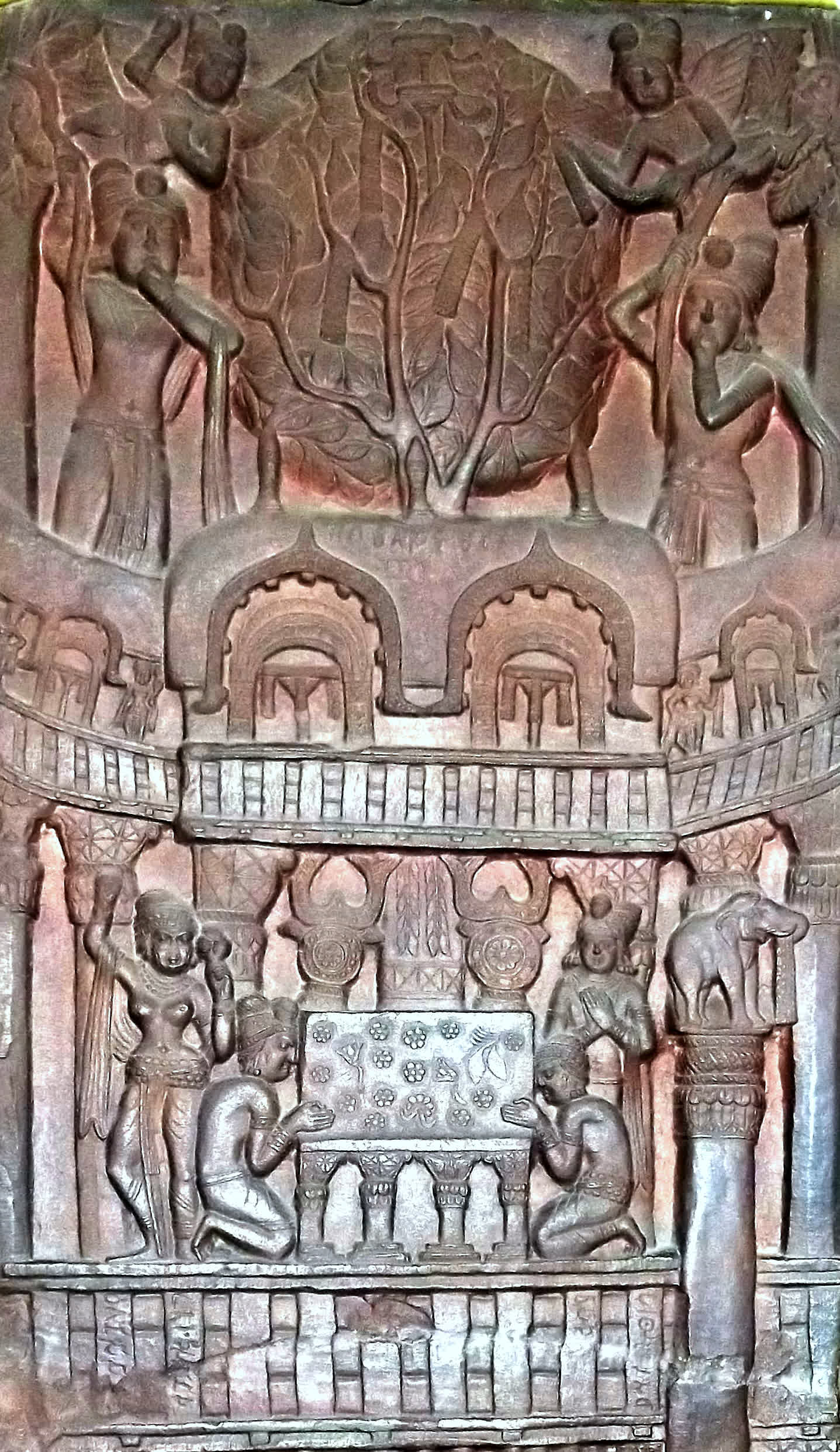
Every verse becomes two cards in your browser: a 1080×1080 square for a post, and a 1080×1920 wallpaper for your phone. Paper and ink only — nothing is uploaded anywhere.
Make a verse card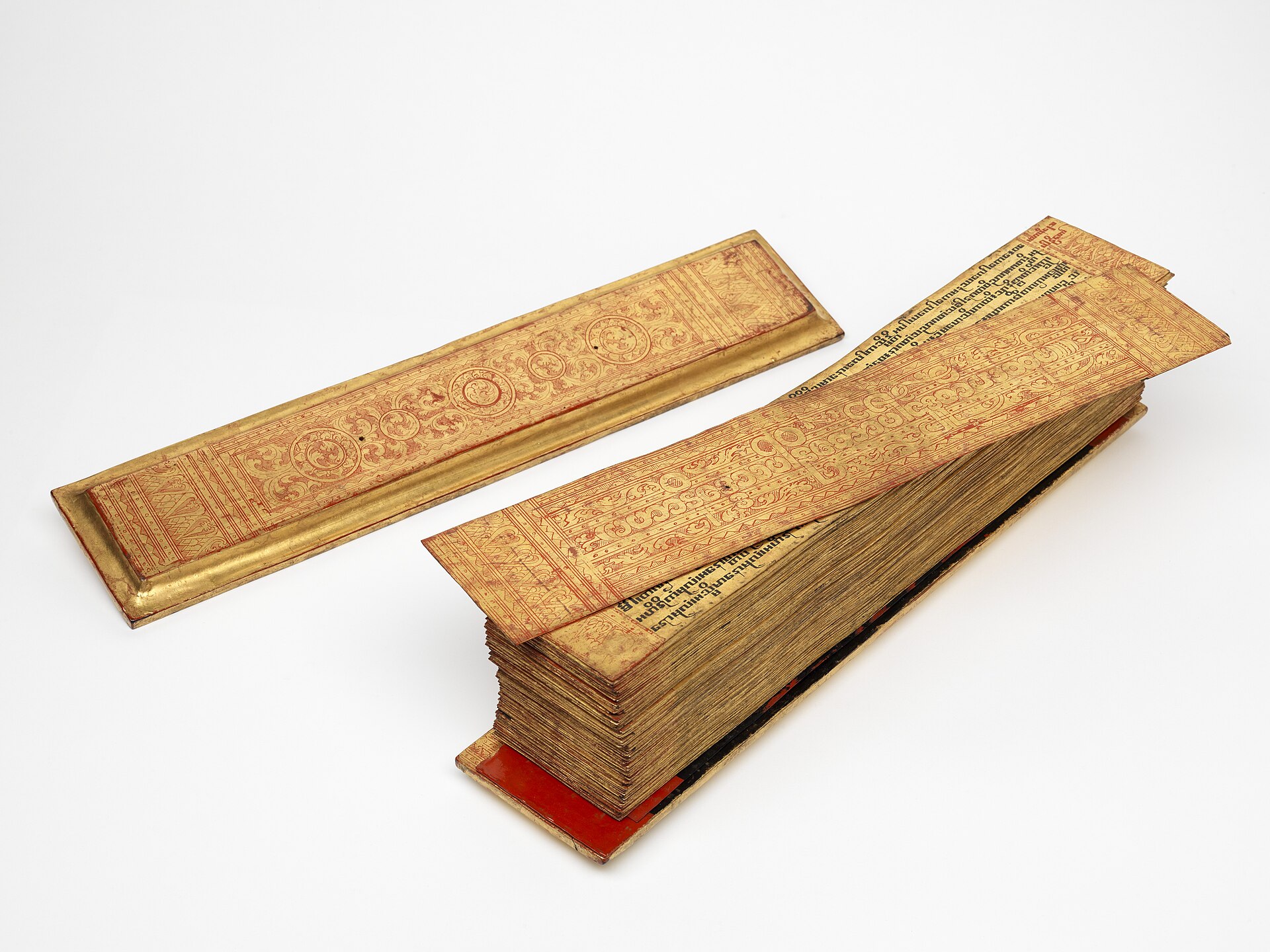
Twenty-six chapters, 423 verses. The chapter names are the oldest index this text has — the Pairs, the Mind, Flowers, Craving, the Elephant.
The tools above work on all 423 verses. These pages take one subject or one question at a time — each one quoting real verses with their numbers, so anything here can be checked against the text.
What the book is, what the title means, which translation to read.
Every verse on one subject, in Pali and English, with verse numbers.
The schools, the vocabulary, what is chanted, and loving-kindness.
Where the checkable quotes are, and how to tell them from the rest.
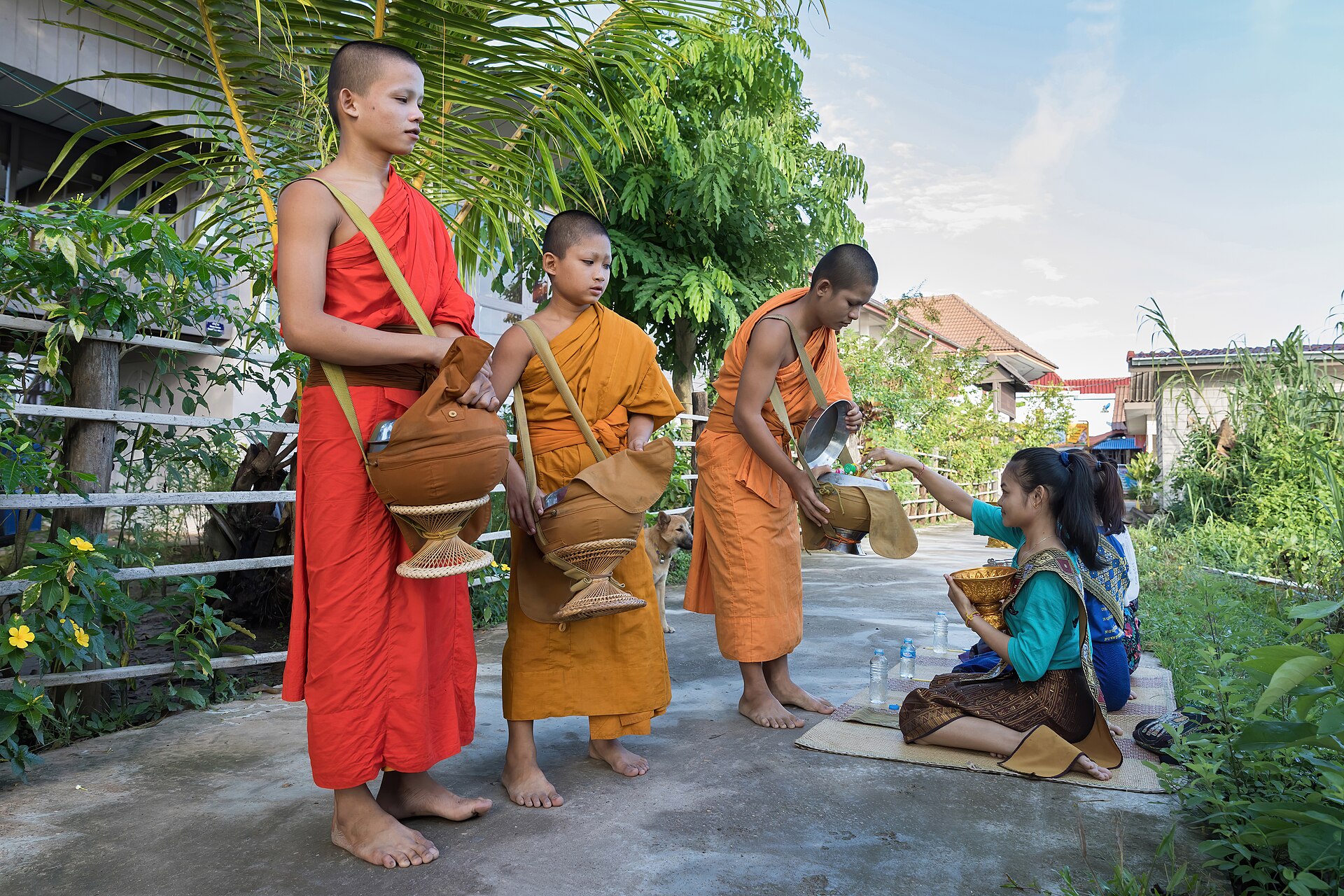
The Dhammapada is a collection of 423 short sayings of the Buddha, arranged in 26 chapters and preserved in the Pali canon as part of the Khuddaka Nikāya. Its verses are the Buddhist tradition’s most quoted text — memorised, chanted and copied by hand for more than two thousand years, from Sri Lanka to Burma to the temples of Laos you see pictured on this page.
It is not a story and not a rulebook. It is a book of maxims about the mind: that intention runs ahead of every act, that hatred never ends by hatred, that a trained mind brings a happiness no one can take. Each verse stands alone, which is why one verse a day works.
The English here is Bhikkhu Sujato’s translation, published by SuttaCentral and released into the public domain (CC0), with the Pali root text alongside. Read the suttas in full at suttacentral.net. This site is an independent reading tool and speaks for no monastery, lineage or tradition.
The text’s sources and licences are listed in full on the sources page.