“Regard one who sees your faults as a guide to a hidden treasure. Stay close to one so intelligent and astute who curbs you when you need it. Sticking close to such an impartial person, things get better, not worse.”
Nidhīnaṁva pavattāraṁ, yaṁ passe vajjadassinaṁ; Niggayhavādiṁ medhāviṁ, tādisaṁ paṇḍitaṁ bhaje; Tādisaṁ bhajamānassa, seyyo hoti na pāpiyo.
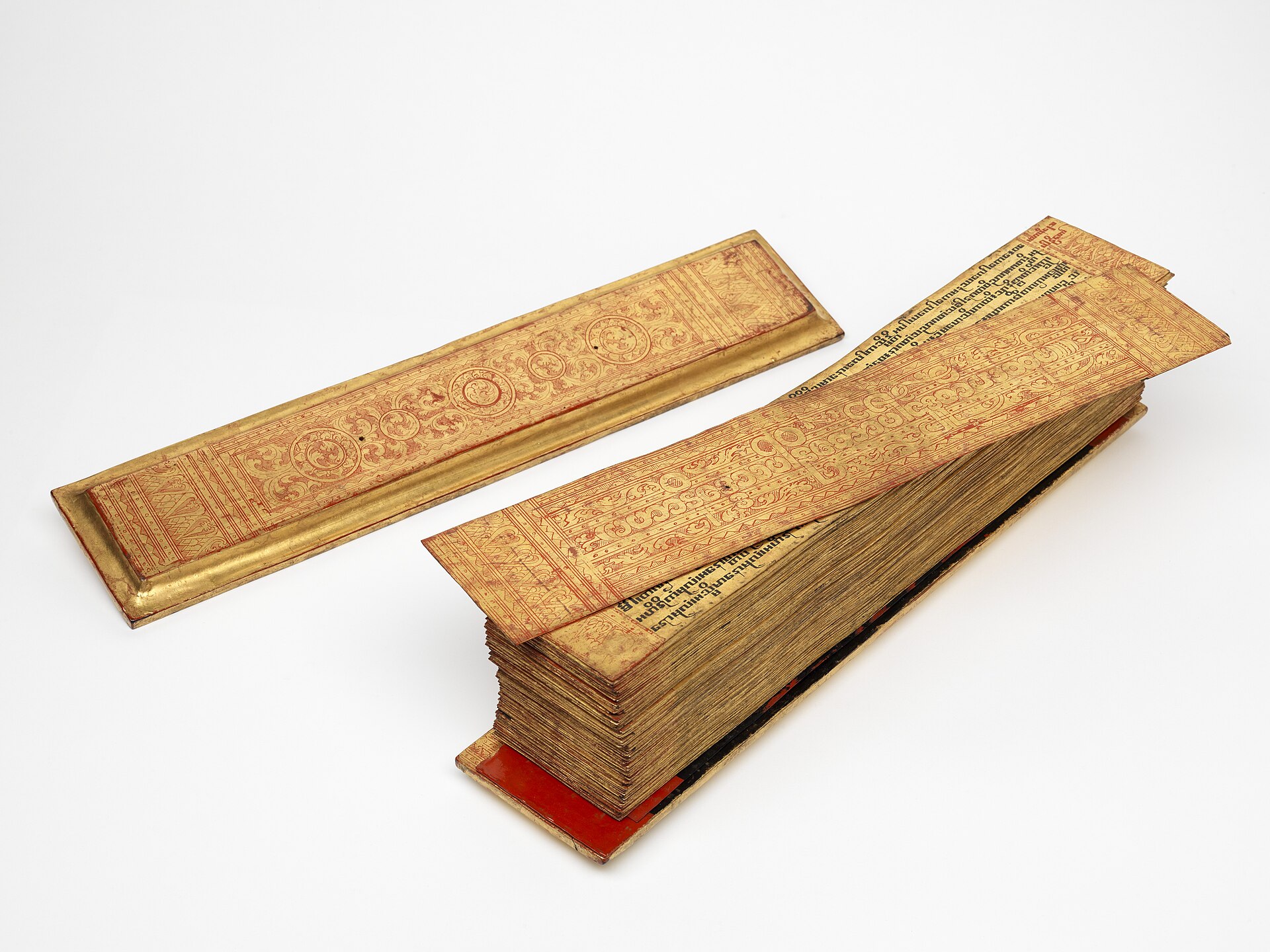
Chapter 6: The Astute
Paṇḍitavagga
Verses 76–89 · 14 verses · English by Bhikkhu Sujato (CC0)
The astute, the discerning, the one worth following, in fourteen verses. It balances the previous chapter: the wise person is described as one who advises, instructs and steers others away from harm, and the chapter includes the instruction not to keep company with the worst but to keep company with good friends.
“Advise and instruct; curb wickedness: for you shall be loved by the good, and disliked by the bad.”
Ovadeyyānusāseyya, asabbhā ca nivāraye; Satañhi so piyo hoti, asataṁ hoti appiyo.
“Don’t mix with bad friends, nor with the worst of men. Mix with spiritual friends, and with the best of men.”
Na bhaje pāpake mitte, na bhaje purisādhame; Bhajetha mitte kalyāṇe, bhajetha purisuttame.
“Through joy in the teaching you sleep at ease, with clear and confident heart. An astute person always delights in the teaching proclaimed by the Noble One.”
Dhammapīti sukhaṁ seti, vippasannena cetasā; Ariyappavedite dhamme, sadā ramati paṇḍito.
“While irrigators guide water, fletchers bend arrows straight, and carpenters bend timber straight, the astute tame themselves.”
Udakañhi nayanti nettikā, Usukārā namayanti tejanaṁ; Dāruṁ namayanti tacchakā, Attānaṁ damayanti paṇḍitā.
“As the wind cannot stir a solid mass of rock, so too blame and praise do not affect the wise.”
Selo yathā ekaghano, vātena na samīrati; Evaṁ nindāpasaṁsāsu, na samiñjanti paṇḍitā.
“Like a deep lake, clear and unclouded, so clear are the astute when they hear the teachings.”
Yathāpi rahado gambhīro, vippasanno anāvilo; Evaṁ dhammāni sutvāna, vippasīdanti paṇḍitā.
“True persons give up everything, they don’t cajole for the things they desire. Though touched by sadness or happiness, the astute appear neither depressed nor elated.”
Sabbattha ve sappurisā cajanti, Na kāmakāmā lapayanti santo; Sukhena phuṭṭhā atha vā dukhena, Na uccāvacaṁ paṇḍitā dassayanti.
“Never wish for success by unjust means, for your own sake or that of another, desiring children, wealth, or nation; rather, be virtuous, wise, and just.”
Na attahetu na parassa hetu, Na puttamicche na dhanaṁ na raṭṭhaṁ; Na iccheyya adhammena samiddhimattano, Sa sīlavā paññavā dhammiko siyā.
“Few are those among humans who cross to the far shore. The rest just run around on the near shore.”
Appakā te manussesu, ye janā pāragāmino; Athāyaṁ itarā pajā, tīramevānudhāvati.
“When the teaching is well explained, the people who practice accordingly will cross over Death’s dominion so hard to pass.”
Ye ca kho sammadakkhāte, dhamme dhammānuvattino; Te janā pāramessanti, maccudheyyaṁ suduttaraṁ.
“Rid of dark qualities, an astute person would develop the bright. Having left home for homelessness in seclusion, where joy is hard,”
Kaṇhaṁ dhammaṁ vippahāya, Sukkaṁ bhāvetha paṇḍito; Okā anokamāgamma, Viveke yattha dūramaṁ.
“they’d long for satisfaction there. Forsaking sensual pleasures, owning nothing, an astute person would cleanse themselves of mental corruptions.”
Tatrābhiratimiccheyya, hitvā kāme akiñcano; Pariyodapeyya attānaṁ, cittaklesehi paṇḍito.
“And those whose minds are rightly developed in the awakening factors; who, letting go of attachments, delight in not grasping: with defilements ended, brilliant, they are quenched in this world.”
Yesaṁ sambodhiyaṅgesu, sammā cittaṁ subhāvitaṁ; Ādānapaṭinissagge, anupādāya ye ratā; Khīṇāsavā jutimanto, te loke parinibbutā. Paṇḍitavaggo chaṭṭho.