“Give up anger, get rid of conceit, and escape every fetter. Sufferings don’t befall one who has nothing, not clinging to name and form.”
Kodhaṁ jahe vippajaheyya mānaṁ, Saṁyojanaṁ sabbamatikkameyya; Taṁ nāmarūpasmimasajjamānaṁ, Akiñcanaṁ nānupatanti dukkhā.
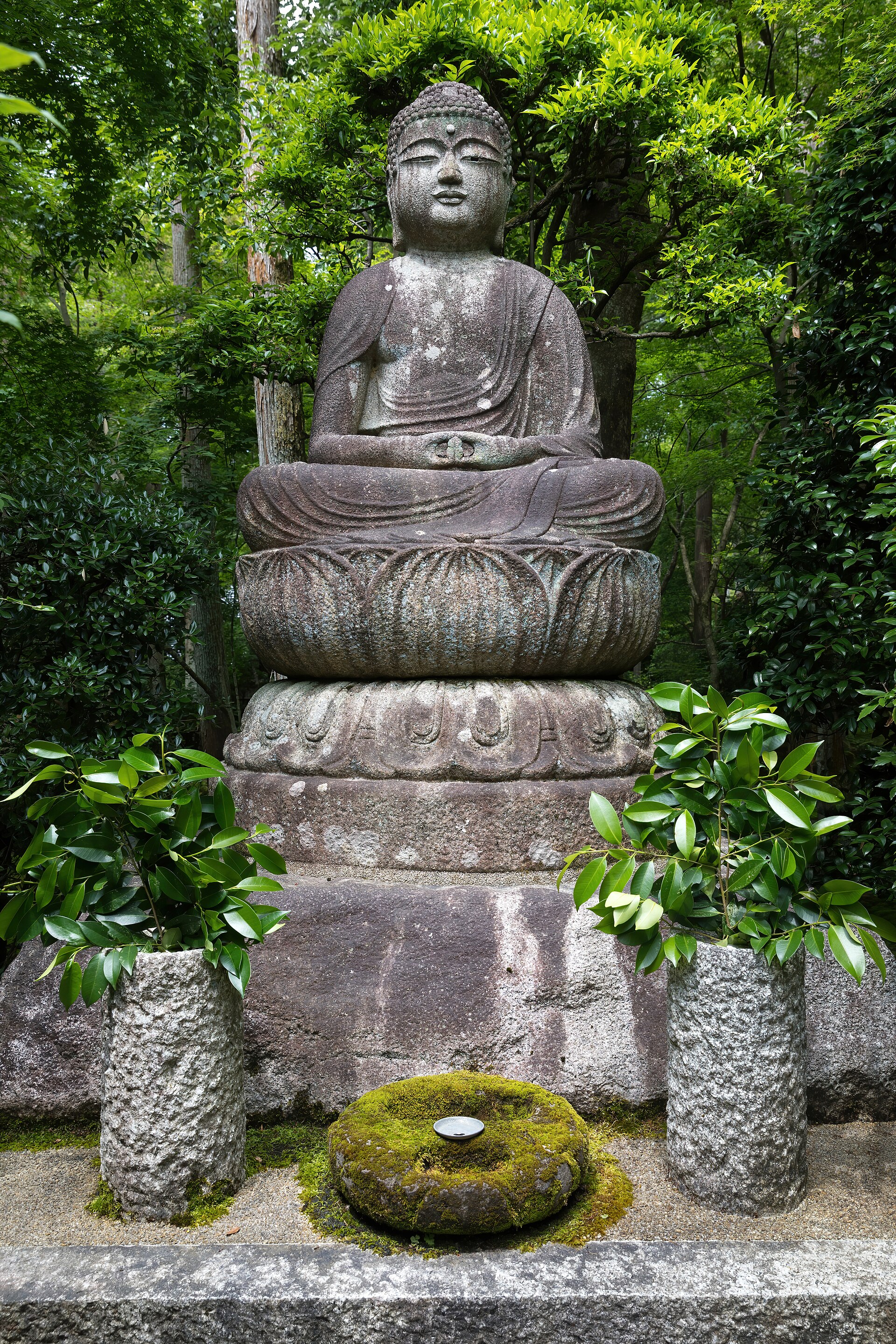
Chapter 17: Anger
Kodhavagga
Verses 221–234 · 14 verses · English by Bhikkhu Sujato (CC0)
Fourteen verses on anger. The chapter gives the practical instruction to overcome anger with kindness and to give up what feeds it, and it describes the angry person as one who loses their own good. It also holds the verse about giving rather than taking as the way anger is dissolved.
“When anger surges like a lurching chariot, keep it in check. That’s what I call a charioteer; others just hold the reins.”
Yo ve uppatitaṁ kodhaṁ, rathaṁ bhantaṁva vāraye; Tamahaṁ sārathiṁ brūmi, rasmiggāho itaro jano.
“Defeat anger with kindness, villainy with virtue, stinginess with giving, and lies with truth.”
Akkodhena jine kodhaṁ, asādhuṁ sādhunā jine; Jine kadariyaṁ dānena, saccenālikavādinaṁ.
“Speak the truth, do not be angry, and give when asked, if only a little. By these three means, you may enter the presence of the gods.”
Saccaṁ bhaṇe na kujjheyya, dajjā appampi yācito; Etehi tīhi ṭhānehi, gacche devāna santike.
“Those harmless sages, always restrained in body, go to the state that does not pass, where there is no sorrow.”
Ahiṁsakā ye munayo, niccaṁ kāyena saṁvutā; Te yanti accutaṁ ṭhānaṁ, yattha gantvā na socare.
“Always wakeful, practicing night and day, focused only on extinguishment, their defilements come to an end.”
Sadā jāgaramānānaṁ, ahorattānusikkhinaṁ; Nibbānaṁ adhimuttānaṁ, atthaṁ gacchanti āsavā.
“It’s always been this way, Atula, it’s not just today. They blame you when you’re silent, they blame you when you speak a lot, and even when you speak just right: no one in the world escapes blame.”
Porāṇametaṁ atula, netaṁ ajjatanāmiva; Nindanti tuṇhimāsīnaṁ, nindanti bahubhāṇinaṁ; Mitabhāṇimpi nindanti, natthi loke anindito.
“There never was, nor will be, nor is there today, someone who is wholly praised or wholly blamed.”
Na cāhu na ca bhavissati, na cetarahi vijjati; Ekantaṁ nindito poso, ekantaṁ vā pasaṁsito.
“If, after watching them day in day out, discerning people praise that sage of impeccable conduct, endowed with ethics and wisdom;”
Yañce viññū pasaṁsanti, anuvicca suve suve; Acchiddavuttiṁ medhāviṁ, paññāsīlasamāhitaṁ.
“like a pendant of Black Plum River gold, who is worthy to criticize them? Even the gods praise them, and by the Divinity, too, they’re praised.”
Nikkhaṁ jambonadasseva, ko taṁ ninditumarahati; Devāpi naṁ pasaṁsanti, brahmunāpi pasaṁsito.
“Guard against ill-tempered deeds, be restrained in body. Giving up bad bodily conduct, conduct yourself well in body.”
Kāyappakopaṁ rakkheyya, kāyena saṁvuto siyā; Kāyaduccaritaṁ hitvā, kāyena sucaritaṁ care.
“Guard against ill-tempered words, be restrained in speech. Giving up bad verbal conduct, conduct yourself well in speech.”
Vacīpakopaṁ rakkheyya, vācāya saṁvuto siyā; Vacīduccaritaṁ hitvā, vācāya sucaritaṁ care.
“Guard against ill-tempered thoughts, be restrained in mind. Giving up bad mental conduct, conduct yourself well in mind.”
Manopakopaṁ rakkheyya, manasā saṁvuto siyā; Manoduccaritaṁ hitvā, manasā sucaritaṁ care.
“An attentive one is restrained in body restrained also in speech, in thought, too, they are restrained: they are restrained in every way.”
Kāyena saṁvutā dhīrā, atho vācāya saṁvutā; Manasā saṁvutā dhīrā, te ve suparisaṁvutā. Kodhavaggo sattarasamo.