““They abused me, they hit me! They beat me, they robbed me!” For those who bear such a grudge, hatred is never laid to rest.”
Akkocchi maṁ avadhi maṁ, ajini maṁ ahāsi me; Ye ca taṁ upanayhanti, veraṁ tesaṁ na sammati.
Buddha Quotes on Anger, from the Dhammapada
23 verses of 423 · English by Bhikkhu Sujato (CC0) · Pali alongside
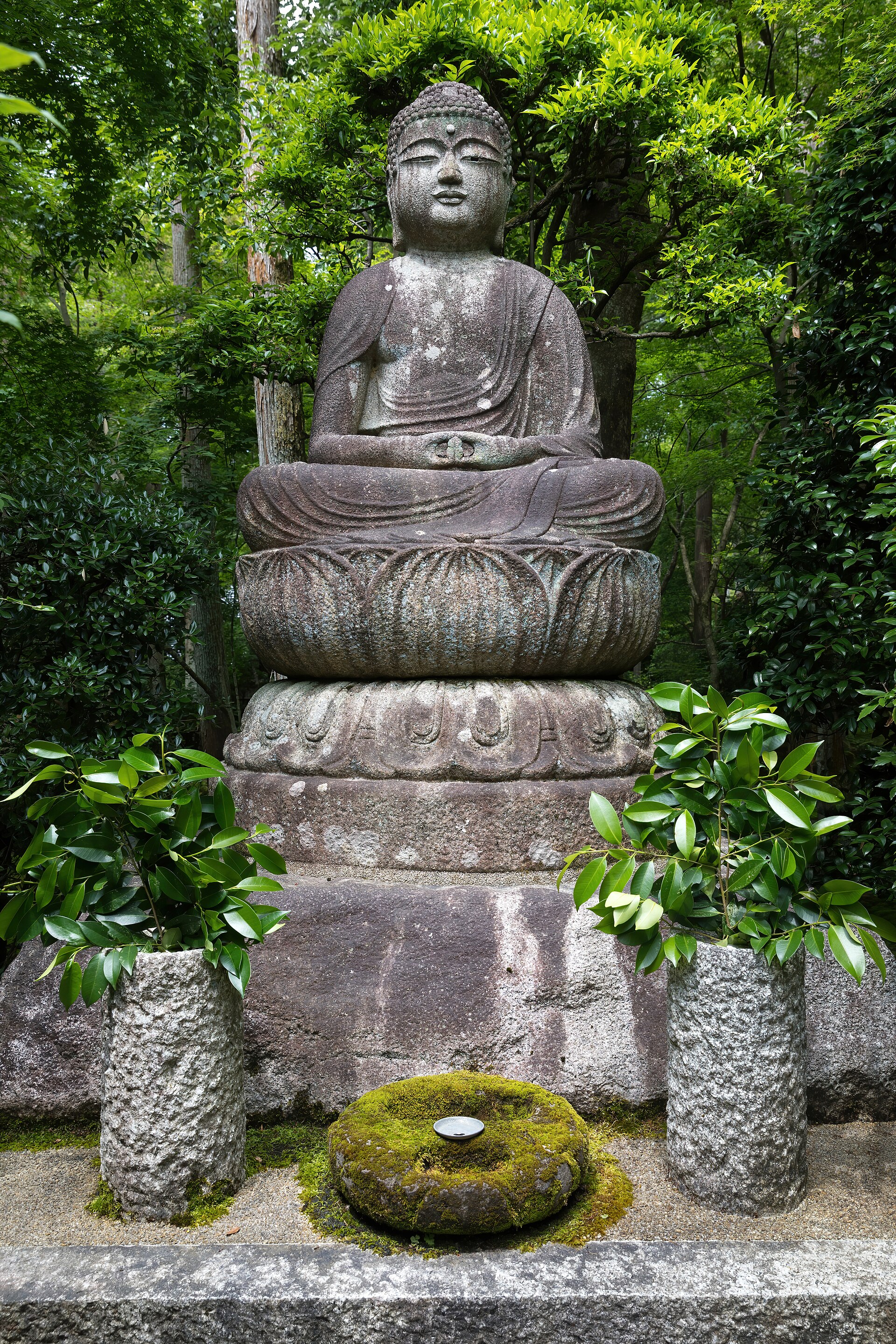
The Dhammapada opens its treatment of anger in the second and third verses of the book. Verses 3 and 4 are the same sentence twice: someone who bears a grudge — “they abused me, they hit me, they beat me, they robbed me” — has not laid that hatred to rest; someone who bears no such grudge has. Verse 5 supplies the reason.
Chapter 17 then spends fourteen verses on it and ends on the practical instruction in verse 223: defeat anger with kindness, villainy with virtue, stinginess with giving, and lies with truth. The book does not tell the reader that anger is wrong. It tells them what anger does to the person holding it.
The verses
In book order. Open any verse for the Pali, the copy button and the card maker.
““They abused me, they hit me! They beat me, they robbed me!” For those who bear no such grudge, hatred is laid to rest.”
Akkocchi maṁ avadhi maṁ, ajini maṁ ahāsi me; Ye ca taṁ nupanayhanti, veraṁ tesūpasammati.
“For never is hatred laid to rest by hate, it’s laid to rest by love: this is an ancient teaching.”
Na hi verena verāni, sammantīdha kudācanaṁ; Averena ca sammanti, esa dhammo sanantano.
“Little though they may recite scripture, if they live in line with the teaching, having given up greed, hate, and delusion, with deep understanding and heart well freed, not grasping to this life or the next, they share in the blessings of the ascetic life.”
Appampi ce saṁhita bhāsamāno, Dhammassa hoti anudhammacārī; Rāgañca dosañca pahāya mohaṁ, Sammappajāno suvimuttacitto; Anupādiyāno idha vā huraṁ vā, Sa bhāgavā sāmaññassa hoti. Yamakavaggo paṭhamo.
“A wrongly directed mind would do you more harm than a hater to the hated, or an enemy to their foe.”
Diso disaṁ yaṁ taṁ kayirā, verī vā pana verinaṁ; Micchāpaṇihitaṁ cittaṁ, pāpiyo naṁ tato kare.
“Whatever fame a fool may get, it only gives rise to harm. Whatever good features they have it ruins, and blows their head into bits.”
Yāvadeva anatthāya, ñattaṁ bālassa jāyati; Hanti bālassa sukkaṁsaṁ, muddhamassa vipātayaṁ.
“Whatever sacrifice or offering in the world a seeker of merit may make for a year, none of it is worth a quarter of bowing to the sincere.”
Yaṁ kiñci yiṭṭhaṁ va hutaṁ va loke, Saṁvaccharaṁ yajetha puññapekkho; Sabbampi taṁ na catubhāgameti, Abhivādanā ujjugatesu seyyo.
“Avoid wickedness, as a merchant with rich cargo and small escort would avoid a dangerous road, or one who loves life would avoid drinking poison.”
Vāṇijova bhayaṁ maggaṁ, appasattho mahaddhano; Visaṁ jīvitukāmova, pāpāni parivajjaye.
“There is no fire like greed, no crime like hate, no suffering like the aggregates, no bliss beyond peace.”
Natthi rāgasamo aggi, Natthi dosasamo kali; Natthi khandhasamā dukkhā, Natthi santiparaṁ sukhaṁ.
“Give up anger, get rid of conceit, and escape every fetter. Sufferings don’t befall one who has nothing, not clinging to name and form.”
Kodhaṁ jahe vippajaheyya mānaṁ, Saṁyojanaṁ sabbamatikkameyya; Taṁ nāmarūpasmimasajjamānaṁ, Akiñcanaṁ nānupatanti dukkhā.
“When anger surges like a lurching chariot, keep it in check. That’s what I call a charioteer; others just hold the reins.”
Yo ve uppatitaṁ kodhaṁ, rathaṁ bhantaṁva vāraye; Tamahaṁ sārathiṁ brūmi, rasmiggāho itaro jano.
“Defeat anger with kindness, villainy with virtue, stinginess with giving, and lies with truth.”
Akkodhena jine kodhaṁ, asādhuṁ sādhunā jine; Jine kadariyaṁ dānena, saccenālikavādinaṁ.
“Speak the truth, do not be angry, and give when asked, if only a little. By these three means, you may enter the presence of the gods.”
Saccaṁ bhaṇe na kujjheyya, dajjā appampi yācito; Etehi tīhi ṭhānehi, gacche devāna santike.
“There is no fire like greed, no crime like hate, no net like delusion, no river like craving.”
Natthi rāgasamo aggi, natthi dosasamo gaho; Natthi mohasamaṁ jālaṁ, natthi taṇhāsamā nadī.
““Here I will stay for the rains; here for winter, here the summer”; thus the fool thinks, not realizing the danger.”
Idha vassaṁ vasissāmi, idha hemantagimhisu; Iti bālo vicinteti, antarāyaṁ na bujjhati.
“One who is faithful, accomplished in ethics, blessed with fame and wealth, is honored in whatever place they frequent.”
Saddho sīlena sampanno, yasobhogasamappito; Yaṁ yaṁ padesaṁ bhajati, tattha tattheva pūjito.
“Seeing danger where there is none, and blind to the actual danger, beings who uphold wrong view go to a bad place.”
Abhaye bhayadassino, bhaye cābhayadassino; Micchādiṭṭhisamādānā, sattā gacchanti duggatiṁ.
“A friend in need is a blessing; it’s a blessing to be content with whatever; good deeds are a blessing at the end of life, and giving up all suffering is a blessing.”
Atthamhi jātamhi sukhā sahāyā, Tuṭṭhī sukhā yā itarītarena; Puññaṁ sukhaṁ jīvitasaṅkhayamhi, Sabbassa dukkhassa sukhaṁ pahānaṁ.
“Weeds are the bane of crops, but hate is these folk’s bane. That’s why a gift to one rid of hate is so very fruitful.”
Tiṇadosāni khettāni, dosadosā ayaṁ pajā; Tasmā hi vītadosesu, dinnaṁ hoti mahapphalaṁ.
“Bail out this boat, mendicant! When bailed out it will float lightly. Having cut off desire and hate, you shall reach extinguishment.”
Siñca bhikkhu imaṁ nāvaṁ, sittā te lahumessati; Chetvā rāgañca dosañca, tato nibbānamehisi.
“As a jasmine sheds its withered flowers, O mendicants, shed greed and hate.”
Vassikā viya pupphāni, maddavāni pamuñcati; Evaṁ rāgañca dosañca, vippamuñcetha bhikkhavo.
“Abuse, killing, caging: they endure these without anger. Patience is their powerful army: that’s who I declare a brahmin.”
Akkosaṁ vadhabandhañca, aduṭṭho yo titikkhati; Khantībalaṁ balānīkaṁ, tamahaṁ brūmi brāhmaṇaṁ.
“They’ve discarded greed and hate, along with conceit and contempt, like a mustard seed off the point of a pin: that’s who I declare a brahmin.”
Yassa rāgo ca doso ca, māno makkho ca pātito; Sāsaporiva āraggā, tamahaṁ brūmi brāhmaṇaṁ.
Where these verses sit
1. Pairs3. The Mind5. The Fool8. The Thousands9. Wickedness15. Happiness17. Anger18. Stains20. The Path21. Miscellaneous22. Hell23. Elephants24. Craving25. Mendicants26. Brahmins
Most of these verses come from chapter 1, which the book arranges as a short run on one subject rather than as isolated lines. The opening chapter works in pairs: twenty verses arranged as ten twin verses, each pair holding the same situation in two forms and repeating the same refrain. It opens with the line that sets up the whole book — intention is the leader of things — and then runs the contrast through blame and forgiveness, hatred and its ending, and the difference between a mind that is guarded and one that is not.
Questions
What is the Dhammapada verse about holding a hot coal?
“Holding on to anger is like grasping a hot coal” is widely attributed to the Buddha but has no located source in the Pali canon. The Dhammapada’s equivalent is verse 5, on hatred never being laid to rest by hate.
Which chapter of the Dhammapada is about anger?
Chapter 17, Kodhavagga, verses 221–234. Fourteen verses, and it is where the book gets most practical about what to do with the feeling rather than whether it is permitted.
Does the Dhammapada say anger is a sin?
It does not use that framework. It describes anger as a stain and as something that harms the person carrying it, and it recommends replacing it rather than suppressing it — see verse 223.
Read next
Every line on this page is a verse of the Dhammapada, numbered and unaltered. English translation by Bhikkhu Sujato, released CC0 via SuttaCentral; the Pali is the Mahāsaṅgīti edition held there. See sources for the full licence trail.