“Intention is the leader of things; intention is first, they’re made by intention. If with corrupt intent you speak or act, suffering follows you, like a wheel, the ox’s foot.”
Manopubbaṅgamā dhammā, manoseṭṭhā manomayā; Manasā ce paduṭṭhena, bhāsati vā karoti vā; Tato naṁ dukkhamanveti, cakkaṁva vahato padaṁ.
Buddha Quotes on the Mind, from the Dhammapada
54 verses of 423 · English by Bhikkhu Sujato (CC0) · Pali alongside
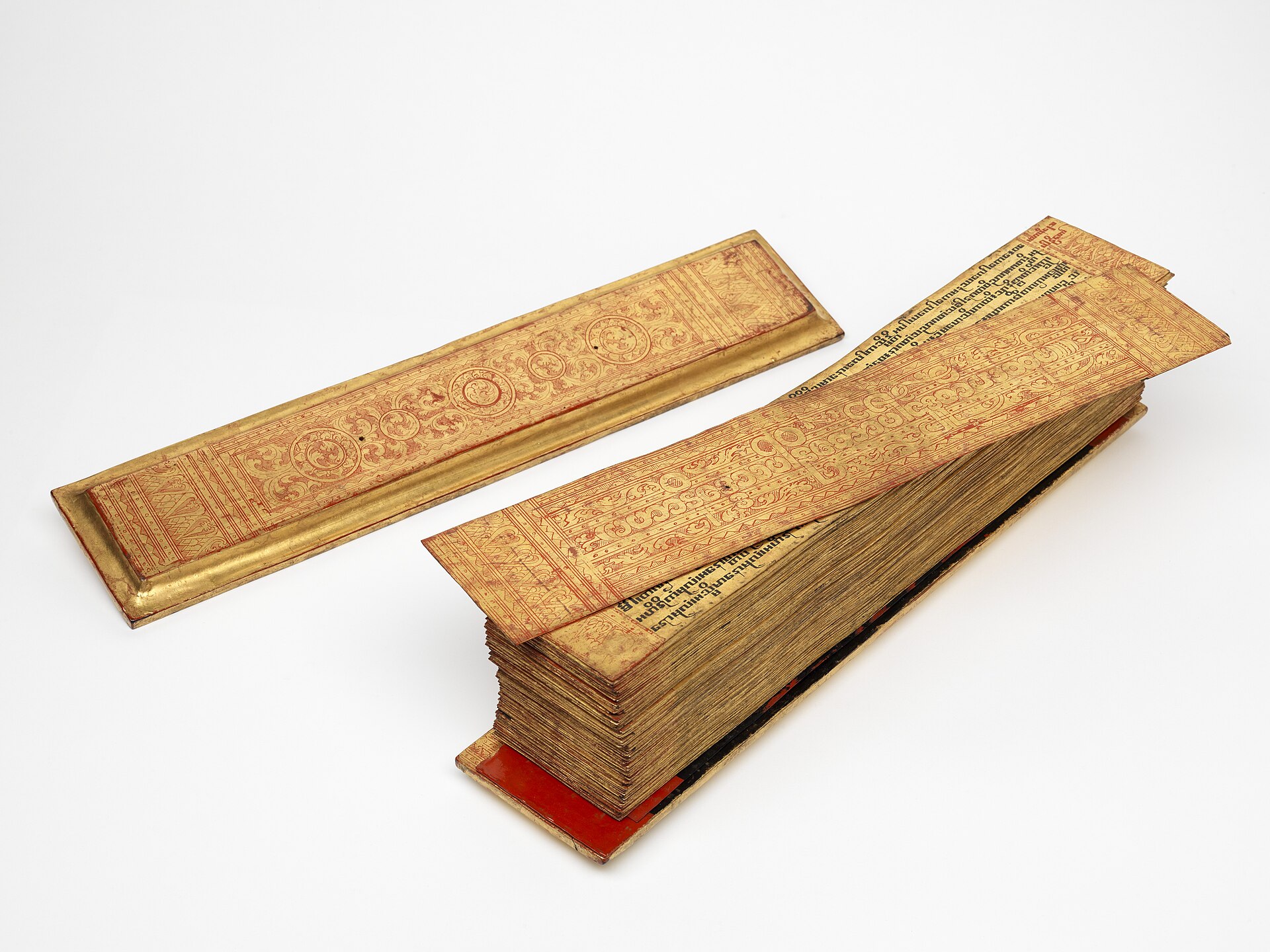
The Dhammapada begins with the mind: intention is the leader of things, intention is first, they are made by intention (verses 1–2). That line is the most-quoted passage in the book and it is also the one most often quoted out of context — the point is not that thought creates reality, but that what a person intends shapes what they do, and what they do follows them.
Chapter 3 (33–43) is eleven verses on how difficult the mind is: hard to hold back, flighty, alighting where it will, subtle and hard to see. The conclusion is not to stop it but to tame it, and the chapter says a tamed mind is a guardian and a consequent happiness.
The verses
In book order. Open any verse for the Pali, the copy button and the card maker.
“Intention is the leader of things; intention is first, they’re made by intention. If with pure intent you speak or act, happiness follows you like a shadow that never leaves.”
Manopubbaṅgamā dhammā, manoseṭṭhā manomayā; Manasā ce pasannena, bhāsati vā karoti vā; Tato naṁ sukhamanveti, chāyāva anapāyinī.
“Thinking the inessential is essential, seeing the essential as inessential; they don’t realize the essential, for wrong thoughts are their habitat.”
Asāre sāramatino, sāre cāsāradassino; Te sāraṁ nādhigacchanti, micchāsaṅkappagocarā.
“Having known the essential as essential, and the inessential as inessential; they realize the essential, for right thoughts are their habitat.”
Sārañca sārato ñatvā, asārañca asārato; Te sāraṁ adhigacchanti, sammāsaṅkappagocarā.
“Just as rain seeps into a poorly roofed house, lust seeps into an undeveloped mind.”
Yathā agāraṁ ducchannaṁ, vuṭṭhī samativijjhati; Evaṁ abhāvitaṁ cittaṁ, rāgo samativijjhati.
“Just as rain doesn’t seep into a well roofed house, lust doesn’t seep into a well developed mind.”
Yathā agāraṁ suchannaṁ, vuṭṭhī na samativijjhati; Evaṁ subhāvitaṁ cittaṁ, rāgo na samativijjhati.
“For the hard-working and mindful, pure of deed and attentive, restrained, living righteously, and diligent, their reputation only grows.”
Uṭṭhānavato satīmato, Sucikammassa nisammakārino; Saññatassa dhammajīvino, Appamattassa yasobhivaḍḍhati.
“The mind quivers and quakes, hard to guard, hard to curb. The discerning straighten it out, like a fletcher an arrow.”
Phandanaṁ capalaṁ cittaṁ, dūrakkhaṁ dunnivārayaṁ; Ujuṁ karoti medhāvī, usukārova tejanaṁ.
“Like a fish pulled from the sea and cast upon the shore, this mind flounders about, trying to throw off Māra’s dominion.”
Vārijova thale khitto, okamokataubbhato; Pariphandatidaṁ cittaṁ, māradheyyaṁ pahātave.
“Hard to hold back, flighty, alighting where it will; it’s good to tame the mind; a tamed mind leads to bliss.”
Dunniggahassa lahuno, yatthakāmanipātino; Cittassa damatho sādhu, cittaṁ dantaṁ sukhāvahaṁ.
“So hard to see, so subtle, alighting where it will; the discerning protect the mind, a guarded mind leads to bliss.”
Sududdasaṁ sunipuṇaṁ, yatthakāmanipātinaṁ; Cittaṁ rakkhetha medhāvī, cittaṁ guttaṁ sukhāvahaṁ.
“The mind travels far, wandering alone; incorporeal, it lies hidden in the heart. Those who will restrain the mind are freed from Māra’s bonds.”
Dūraṅgamaṁ ekacaraṁ, asarīraṁ guhāsayaṁ; Ye cittaṁ saṁyamissanti, mokkhanti mārabandhanā.
“Those of unsteady mind, who don’t understand the true teaching, and whose confidence wavers, do not perfect their wisdom.”
Anavaṭṭhitacittassa, saddhammaṁ avijānato; Pariplavapasādassa, paññā na paripūrati.
“One whose mind is not festering, whose heart is undamaged, who’s given up right and wrong, alert, has nothing to fear.”
Anavassutacittassa, ananvāhatacetaso; Puññapāpapahīnassa, natthi jāgarato bhayaṁ.
“Knowing this body breaks like a pot, and fortifying the mind like a citadel, attack Māra with the sword of wisdom, guard your conquest, and never settle.”
Kumbhūpamaṁ kāyamimaṁ viditvā, Nagarūpamaṁ cittamidaṁ ṭhapetvā; Yodhetha māraṁ paññāvudhena, Jitañca rakkhe anivesano siyā.
“A wrongly directed mind would do you more harm than a hater to the hated, or an enemy to their foe.”
Diso disaṁ yaṁ taṁ kayirā, verī vā pana verinaṁ; Micchāpaṇihitaṁ cittaṁ, pāpiyo naṁ tato kare.
“A rightly directed mind would do you more good than your mother or father or any other relative.”
Na taṁ mātā pitā kayirā, aññe vāpi ca ñātakā; Sammāpaṇihitaṁ cittaṁ, seyyaso naṁ tato kare. Cittavaggo tatiyo.
“As a mighty flood sweeps off a sleeping village, death steals away a man even as he gathers flowers, his mind caught up in them.”
Pupphāni heva pacinantaṁ, byāsattamanasaṁ naraṁ; Suttaṁ gāmaṁ mahoghova, maccu ādāya gacchati.
“The terminator gains control of the man who has not had his fill of pleasures, even as he gathers flowers, his mind caught up in them.”
Pupphāni heva pacinantaṁ, byāsattamanasaṁ naraṁ; Atittaññeva kāmesu, antako kurute vasaṁ.
“So too, among those thought of as trash, a disciple of the perfect Buddha outshines with their wisdom the blind ordinary folk.”
Evaṁ saṅkārabhūtesu, andhabhūte puthujjane; Atirocati paññāya, sammāsambuddhasāvako. Pupphavaggo catuttho.
“And those whose minds are rightly developed in the awakening factors; who, letting go of attachments, delight in not grasping: with defilements ended, brilliant, they are quenched in this world.”
Yesaṁ sambodhiyaṅgesu, sammā cittaṁ subhāvitaṁ; Ādānapaṭinissagge, anupādāya ye ratā; Khīṇāsavā jutimanto, te loke parinibbutā. Paṇḍitavaggo chaṭṭho.
“The mindful apply themselves; they delight in no abode. Like a swan gone from the marsh, they leave home after home behind.”
Uyyuñjanti satīmanto, na nikete ramanti te; Haṁsāva pallalaṁ hitvā, okamokaṁ jahanti te.
“Their mind is peaceful, peaceful are their speech and deeds. Such a one is at peace, rightly freed through enlightenment.”
Santaṁ tassa manaṁ hoti, santā vācā ca kamma ca; Sammadaññāvimuttassa, upasantassa tādino.
“Rush to do good, shield your mind from evil; for when you’re slow to do good, your thoughts delight in wickedness.”
Abhittharetha kalyāṇe, pāpā cittaṁ nivāraye; Dandhañhi karoto puññaṁ, pāpasmiṁ ramatī mano.
“Like a fine horse under the whip, be keen and full of urgency. With faith, ethics, and energy, immersion, and investigation of principles, accomplished in knowledge and conduct, mindful, give up this vast suffering.”
Asso yathā bhadro kasāniviṭṭho, Ātāpino saṁvegino bhavātha; Saddhāya sīlena ca vīriyena ca, Samādhinā dhammavinicchayena ca; Sampannavijjācaraṇā patissatā, Jahissatha dukkhamidaṁ anappakaṁ.
“I’ve seen you, house-builder! You won’t build a house again! Your rafters are all broken, your roof-peak demolished. The mind, set on demolition, has reached the end of cravings.”
Gahakāraka diṭṭhosi, puna gehaṁ na kāhasi; Sabbā te phāsukā bhaggā, gahakūṭaṁ visaṅkhataṁ; Visaṅkhāragataṁ cittaṁ, taṇhānaṁ khayamajjhagā.
“The attentive intent on absorption, who love the peace of renunciation, the Buddhas, ever mindful, are envied by even the gods.”
Ye jhānapasutā dhīrā, nekkhammūpasame ratā; Devāpi tesaṁ pihayanti, sambuddhānaṁ satīmataṁ.
“Not to do any evil; to embrace the good; to purify one’s mind: this is the instruction of the Buddhas.”
Sabbapāpassa akaraṇaṁ, kusalassa upasampadā; Sacittapariyodapanaṁ, etaṁ buddhāna sāsanaṁ.
“Not speaking ill nor doing harm; restraint in the monastic code; moderation in eating; staying in remote lodgings; commitment to the higher mind— this is the instruction of the Buddhas.”
Anūpavādo anūpaghāto, Pātimokkhe ca saṁvaro; Mattaññutā ca bhattasmiṁ, Pantañca sayanāsanaṁ; Adhicitte ca āyogo, Etaṁ buddhāna sāsanaṁ.
“One eager to realize the ineffable would be filled with awareness. Their mind not bound to pleasures of sense, they’re said to be heading upstream.”
Chandajāto anakkhāte, Manasā ca phuṭo siyā; Kāmesu ca appaṭibaddhacitto, Uddhaṁsototi vuccati.
“Guard against ill-tempered thoughts, be restrained in mind. Giving up bad mental conduct, conduct yourself well in mind.”
Manopakopaṁ rakkheyya, manasā saṁvuto siyā; Manoduccaritaṁ hitvā, manasā sucaritaṁ care.
“An attentive one is restrained in body restrained also in speech, in thought, too, they are restrained: they are restrained in every way.”
Kāyena saṁvutā dhīrā, atho vācāya saṁvutā; Manasā saṁvutā dhīrā, te ve suparisaṁvutā. Kodhavaggo sattarasamo.
“They don’t get going when it’s time to start; they’re young and strong, but given to sloth. Their mind depressed in sunken thought, lazy and slothful, they can’t discern the path.”
Uṭṭhānakālamhi anuṭṭhahāno, Yuvā balī ālasiyaṁ upeto; Saṁsannasaṅkappamano kusīto, Paññāya maggaṁ alaso na vindati.
“Guarded in speech, restrained in mind, doing no unskillful bodily deed. Purify these three ways of performing deeds, and win the path known to seers.”
Vācānurakkhī manasā susaṁvuto, Kāyena ca nākusalaṁ kayirā; Ete tayo kammapathe visodhaye, Ārādhaye maggamisippaveditaṁ.
“So long as the vine, no matter how small, that ties a man to women is not cut, his mind remains trapped, like a calf suckling its mother.”
Yāva hi vanatho na chijjati, Aṇumattopi narassa nārisu; Paṭibaddhamanova tāva so, Vaccho khīrapakova mātari.
“As a mighty flood sweeps away a sleeping village, death steals away a man who dotes on children and cattle, his mind caught up in them.”
Taṁ puttapasusammattaṁ, byāsattamanasaṁ naraṁ; Suttaṁ gāmaṁ mahoghova, maccu ādāya gacchati.
“Those that have properly undertaken constant mindfulness of the body, don’t cultivate what should not be done, but always do what should be done. Mindful and aware, their defilements come to an end.”
Yesañca susamāraddhā, niccaṁ kāyagatā sati; Akiccaṁ te na sevanti, kicce sātaccakārino; Satānaṁ sampajānānaṁ, atthaṁ gacchanti āsavā.
“The disciples of Gotama always wake up refreshed, who day and night are constantly mindful of the body.”
Suppabuddhaṁ pabujjhanti, sadā gotamasāvakā; Yesaṁ divā ca ratto ca, niccaṁ kāyagatā sati.
“The disciples of Gotama always wake up refreshed, whose minds day and night delight in harmlessness.”
Suppabuddhaṁ pabujjhanti, sadā gotamasāvakā; Yesaṁ divā ca ratto ca, ahiṁsāya rato mano.
“The disciples of Gotama always wake up refreshed, whose minds day and night delight in meditation.”
Suppabuddhaṁ pabujjhanti, sadā gotamasāvakā; Yesaṁ divā ca ratto ca, bhāvanāya rato mano.
“In the past my mind wandered how it wished, where it liked, as it pleased. Now I’ll carefully guide it, as a trainer with a hook guides a rutting elephant.”
Idaṁ pure cittamacāri cārikaṁ, Yenicchakaṁ yatthakāmaṁ yathāsukhaṁ; Tadajjahaṁ niggahessāmi yoniso, Hatthippabhinnaṁ viya aṅkusaggaho.
“Delight in diligence! Take good care of your mind! Pull yourself out of this pit, like an elephant sunk in a bog.”
Appamādaratā hotha, sacittamanurakkhatha; Duggā uddharathattānaṁ, paṅke sannova kuñjaro.
“If you find an alert companion, an attentive friend to live happily together, then, overcoming all adversities, wander with them, joyful and mindful.”
Sace labhetha nipakaṁ sahāyaṁ, Saddhiṁ caraṁ sādhuvihāridhīraṁ; Abhibhuyya sabbāni parissayāni, Careyya tenattamano satīmā.
“A person of low views in whom the thirty-six streams that flow to pleasure are mighty, is swept away by lustful thoughts.”
Yassa chattiṁsati sotā, manāpasavanā bhusā; Mahāvahanti duddiṭṭhiṁ, saṅkappā rāganissitā.
“For a personage churned by thoughts, very lustful, focusing on beauty, their craving grows and grows, tying them with a stout bond.”
Vitakkamathitassa jantuno, Tibbarāgassa subhānupassino; Bhiyyo taṇhā pavaḍḍhati, Esa kho daḷhaṁ karoti bandhanaṁ.
“But one who loves to calm their thoughts, developing perception of ugliness, ever mindful, will surely eliminate that craving, cutting off the bonds of Māra.”
Vitakkūpasame ca yo rato, Asubhaṁ bhāvayate sadā sato; Esa kho byanti kāhiti, Esa checchati mārabandhanaṁ.
“Restraint of the body is good; good is restraint of speech; restraint of mind is good; everywhere, restraint is good. The mendicant restrained everywhere is released from all suffering.”
Kāyena saṁvaro sādhu, sādhu vācāya saṁvaro; Manasā saṁvaro sādhu, sādhu sabbattha saṁvaro; Sabbattha saṁvuto bhikkhu, sabbadukkhā pamuccati.
“When a mendicant of restrained mouth, thoughtful in counsel, not restless, explains the text and its meaning, their words are sweet.”
Yo mukhasaṁyato bhikkhu, mantabhāṇī anuddhato; Atthaṁ dhammañca dīpeti, madhuraṁ tassa bhāsitaṁ.
“Practice absorption, don’t be negligent! Don’t let the mind delight in the senses! Don’t heedlessly swallow a hot iron ball! And when it burns, don’t cry, “Oh, the pain!””
Jhāya bhikkhu mā pamādo, Mā te kāmaguṇe ramessu cittaṁ; Mā lohaguḷaṁ gilī pamatto, Mā kandi “dukkhamidan”ti dayhamāno.
“A mendicant who enters an empty hut with mind at peace finds a superhuman delight as they rightly discern the Dhamma.”
Suññāgāraṁ paviṭṭhassa, santacittassa bhikkhuno; Amānusī rati hoti, sammā dhammaṁ vipassato.
Showing 50 of 54. The rest are on the full text page.
Where these verses sit
1. Pairs2. Diligence3. The Mind4. Flowers6. The Astute7. The Perfected Ones9. Wickedness10. The Rod11. Old Age14. The Buddhas16. The Beloved17. Anger20. The Path21. Miscellaneous23. Elephants24. Craving25. Mendicants
Most of these verses come from chapter 1, which the book arranges as a short run on one subject rather than as isolated lines. The opening chapter works in pairs: twenty verses arranged as ten twin verses, each pair holding the same situation in two forms and repeating the same refrain. It opens with the line that sets up the whole book — intention is the leader of things — and then runs the contrast through blame and forgiveness, hatred and its ending, and the difference between a mind that is guarded and one that is not.
Questions
What are the first two verses of the Dhammapada?
“Intention is the leader of things; intention is first, they’re made by intention. If with a corrupted intention you speak or act, then suffering follows you, as the wheel follows the foot of the ox.” Verse 2 repeats it with a clear intention and happiness instead.
Is “the mind is everything” a Buddha quote?
It is not found in the Pali canon, and neither is the fuller “what you think you become”. The Dhammapada’s verses 1–2 make a narrower claim about intention, speech and action.
Which chapter is about the mind?
Chapter 3, Cittavagga, verses 33–43 — eleven verses, the third chapter in the book and one of the shortest.
Read next
Every line on this page is a verse of the Dhammapada, numbered and unaltered. English translation by Bhikkhu Sujato, released CC0 via SuttaCentral; the Pali is the Mahāsaṅgīti edition held there. See sources for the full licence trail.