“Intention is the leader of things; intention is first, they’re made by intention. If with pure intent you speak or act, happiness follows you like a shadow that never leaves.”
Manopubbaṅgamā dhammā, manoseṭṭhā manomayā; Manasā ce pasannena, bhāsati vā karoti vā; Tato naṁ sukhamanveti, chāyāva anapāyinī.
Buddha Quotes on Happiness, from the Dhammapada
73 verses of 423 · English by Bhikkhu Sujato (CC0) · Pali alongside
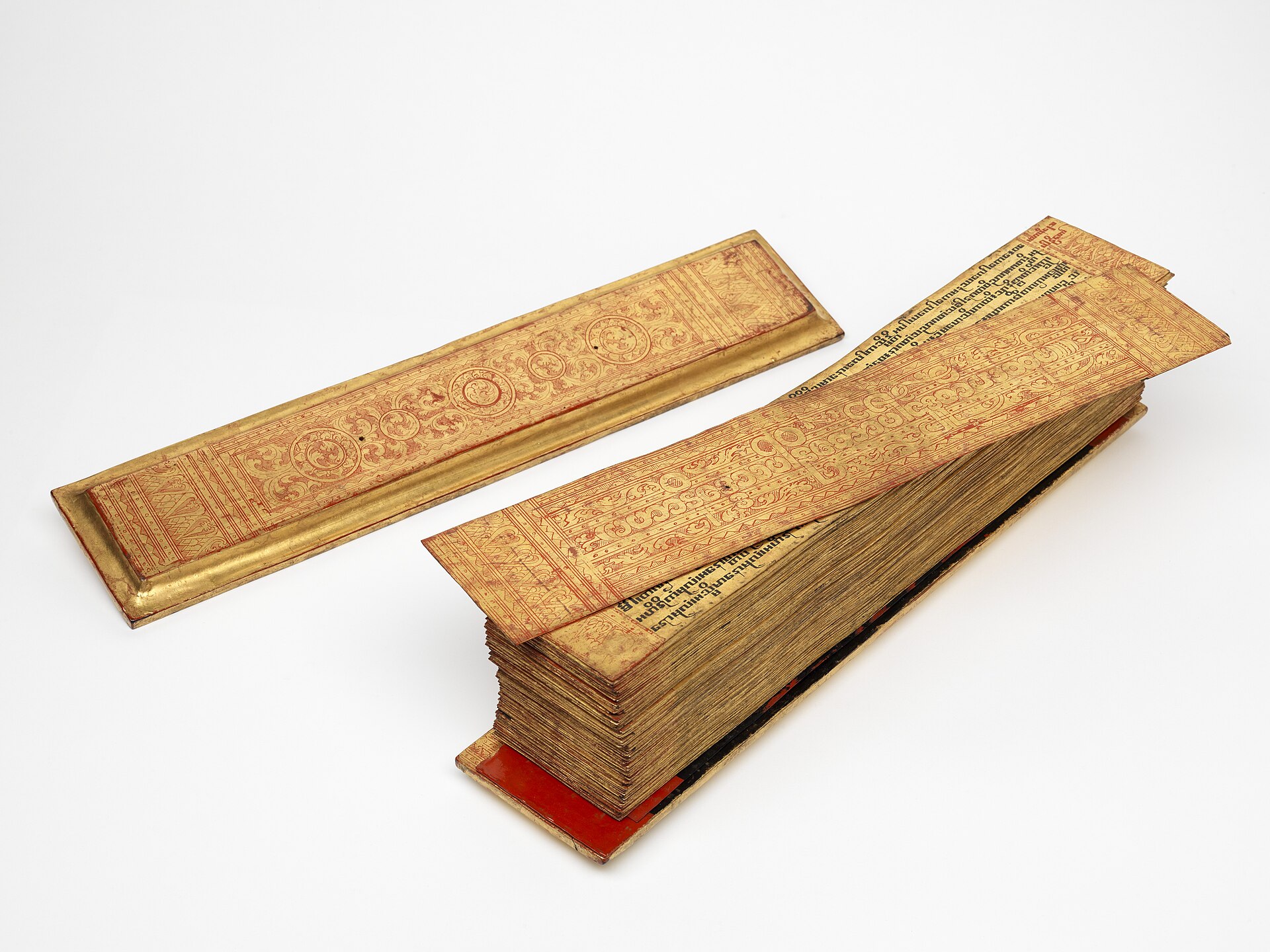
Chapter 15 of the Dhammapada is twelve verses on happiness, and its argument is unusual: the happiness it means is the happiness of someone who has put something down. It is set against the delight of people still tied to what they cling to, not against sadness.
The book also uses a simple pattern in its opening chapter — verse 15 and verse 16 are the same structure twice, one for the person who does harm and one for the person who does good: each grieves or rejoices here and hereafter. That is the book’s plainest statement about where happiness comes from.
The verses
In book order. Open any verse for the Pali, the copy button and the card maker.
“Here they delight, hereafter they delight, one who does good delights in both places. They delight thinking of good things they’ve done; when gone to a good place, they delight all the more.”
Idha nandati pecca nandati, Katapuñño ubhayattha nandati; “Puññaṁ me katan”ti nandati, Bhiyyo nandati suggatiṁ gato.
“Understanding this distinction when it comes to heedfulness, the astute rejoice in heedfulness, happy in the noble ones’ domain.”
Evaṁ visesato ñatvā, appamādamhi paṇḍitā; Appamāde pamodanti, ariyānaṁ gocare ratā.
“Don’t devote yourself to negligence, or delight in erotic intimacy. For if you’re diligent and meditate, you’ll attain abundant happiness.”
Mā pamādamanuyuñjetha, mā kāmaratisanthavaṁ; Appamatto hi jhāyanto, pappoti vipulaṁ sukhaṁ.
“Hard to hold back, flighty, alighting where it will; it’s good to tame the mind; a tamed mind leads to bliss.”
Dunniggahassa lahuno, yatthakāmanipātino; Cittassa damatho sādhu, cittaṁ dantaṁ sukhāvahaṁ.
“So hard to see, so subtle, alighting where it will; the discerning protect the mind, a guarded mind leads to bliss.”
Sududdasaṁ sunipuṇaṁ, yatthakāmanipātinaṁ; Cittaṁ rakkhetha medhāvī, cittaṁ guttaṁ sukhāvahaṁ.
“From a heap of trash discarded on the highway, a lotus might blossom, fragrant and delightful.”
Yathā saṅkāradhānasmiṁ, ujjhitasmiṁ mahāpathe; Padumaṁ tattha jāyetha, sucigandhaṁ manoramaṁ.
“For the means to profit and the path to quenching are two quite different things. A mendicant disciple of the Buddha, understanding what this really means, would never delight in honors, but rather would foster seclusion.”
Aññā hi lābhūpanisā, aññā nibbānagāminī; Evametaṁ abhiññāya, bhikkhu buddhassa sāvako; Sakkāraṁ nābhinandeyya, vivekamanubrūhaye. Bālavaggo pañcamo.
“Through joy in the teaching you sleep at ease, with clear and confident heart. An astute person always delights in the teaching proclaimed by the Noble One.”
Dhammapīti sukhaṁ seti, vippasannena cetasā; Ariyappavedite dhamme, sadā ramati paṇḍito.
“True persons give up everything, they don’t cajole for the things they desire. Though touched by sadness or happiness, the astute appear neither depressed nor elated.”
Sabbattha ve sappurisā cajanti, Na kāmakāmā lapayanti santo; Sukhena phuṭṭhā atha vā dukhena, Na uccāvacaṁ paṇḍitā dassayanti.
“Rid of dark qualities, an astute person would develop the bright. Having left home for homelessness in seclusion, where joy is hard,”
Kaṇhaṁ dhammaṁ vippahāya, Sukkaṁ bhāvetha paṇḍito; Okā anokamāgamma, Viveke yattha dūramaṁ.
“And those whose minds are rightly developed in the awakening factors; who, letting go of attachments, delight in not grasping: with defilements ended, brilliant, they are quenched in this world.”
Yesaṁ sambodhiyaṅgesu, sammā cittaṁ subhāvitaṁ; Ādānapaṭinissagge, anupādāya ye ratā; Khīṇāsavā jutimanto, te loke parinibbutā. Paṇḍitavaggo chaṭṭho.
“The mindful apply themselves; they delight in no abode. Like a swan gone from the marsh, they leave home after home behind.”
Uyyuñjanti satīmanto, na nikete ramanti te; Haṁsāva pallalaṁ hitvā, okamokaṁ jahanti te.
“Whether in village or wilderness, in a valley or the uplands, wherever the perfected ones live is a delightful place.”
Gāme vā yadi vāraññe, Ninne vā yadi vā thale; Yattha arahanto viharanti, Taṁ bhūmirāmaṇeyyakaṁ.
“Delightful are the wildernesses where no people delight. Those free of greed will delight there, not those who seek sensual pleasures.”
Ramaṇīyāni araññāni, yattha na ramatī jano; Vītarāgā ramissanti, na te kāmagavesino. Arahantavaggo sattamo.
“For one in the habit of bowing, always honoring the elders, four blessings grow: lifespan, beauty, happiness, and strength.”
Abhivādanasīlissa, niccaṁ vuḍḍhāpacāyino; Cattāro dhammā vaḍḍhanti, āyu vaṇṇo sukhaṁ balaṁ.
“Rush to do good, shield your mind from evil; for when you’re slow to do good, your thoughts delight in wickedness.”
Abhittharetha kalyāṇe, pāpā cittaṁ nivāraye; Dandhañhi karoto puññaṁ, pāpasmiṁ ramatī mano.
“If you do something good, do it again and again, set your heart on it, for piling up goodness is joyful.”
Puññañce puriso kayirā, kayirā naṁ punappunaṁ; Tamhi chandaṁ kayirātha, sukho puññassa uccayo.
“You can carry poison in your hand if it has no wound, for poison does not infect without a wound; nothing bad happens unless you do bad.”
Pāṇimhi ce vaṇo nāssa, hareyya pāṇinā visaṁ; Nābbaṇaṁ visamanveti, natthi pāpaṁ akubbato.
“Creatures love happiness, so if you harm them with a stick in search of your own happiness, after death you won’t find happiness.”
Sukhakāmāni bhūtāni, yo daṇḍena vihiṁsati; Attano sukhamesāno, pecca so na labhate sukhaṁ.
“Creatures love happiness, so if you don’t harm them with a stick in search of your own happiness, after death you will find happiness.”
Sukhakāmāni bhūtāni, yo daṇḍena na hiṁsati; Attano sukhamesāno, pecca so labhate sukhaṁ.
“What is joy, what is laughter, when the flames are ever burning? Swathed in darkness, would you not seek a light?”
Ko nu hāso kimānando, niccaṁ pajjalite sati; Andhakārena onaddhā, padīpaṁ na gavesatha.
“See this fancy puppet, a body built of sores, diseased, obsessed over, in which nothing lasts at all.”
Passa cittakataṁ bimbaṁ, arukāyaṁ samussitaṁ; Āturaṁ bahusaṅkappaṁ, yassa natthi dhuvaṁ ṭhiti.
“This body is decrepit and frail, a nest of disease. This foul carcass falls apart, for life ends in death.”
Parijiṇṇamidaṁ rūpaṁ, roganīḷaṁ pabhaṅguraṁ; Bhijjati pūtisandeho, maraṇantañhi jīvitaṁ.
“These dove-grey bones are tossed away like dried gourds in the autumn— what joy is there in such a sight?”
Yānimāni apatthāni, alābūneva sārade; Kāpotakāni aṭṭhīni, tāni disvāna kā rati.
“Get up, don’t be heedless, live by principle, with good conduct. For one of good conduct sleeps at ease, in this world and the next.”
Uttiṭṭhe nappamajjeyya, dhammaṁ sucaritaṁ care; Dhammacārī sukhaṁ seti, asmiṁ loke paramhi ca.
“Live by principle, with good conduct, don’t conduct yourself badly. For one of good conduct sleeps at ease, in this world and the next.”
Dhammaṁ care sucaritaṁ, na naṁ duccaritaṁ care; Dhammacārī sukhaṁ seti, asmiṁ loke paramhi ca.
“The miserly don’t ascend to heaven, it takes a fool to not praise giving. The attentive celebrate giving, and so find happiness in the hereafter.”
Na ve kadariyā devalokaṁ vajanti, Bālā have nappasaṁsanti dānaṁ; Dhīro ca dānaṁ anumodamāno, Teneva so hoti sukhī parattha.
“Thus they find no delight even in celestial pleasures. A disciple of the fully awakened Buddha delights in the ending of craving.”
Api dibbesu kāmesu, ratiṁ so nādhigacchati; Taṇhakkhayarato hoti, sammāsambuddhasāvako.
“But such refuge is no sanctuary, it is no supreme refuge. By going to that refuge, you’re not released from all suffering.”
Netaṁ kho saraṇaṁ khemaṁ, netaṁ saraṇamuttamaṁ; Netaṁ saraṇamāgamma, sabbadukkhā pamuccati.
“Such refuge is a sanctuary, it is the supreme refuge. By going to that refuge, you’re released from all suffering.”
Etaṁ kho saraṇaṁ khemaṁ, etaṁ saraṇamuttamaṁ; Etaṁ saraṇamāgamma, sabbadukkhā pamuccati.
“It’s hard to find a thoroughbred man: they’re not born just anywhere. A family where that attentive one is born prospers in happiness.”
Dullabho purisājañño, na so sabbattha jāyati; Yattha so jāyati dhīro, taṁ kulaṁ sukhamedhati.
“Happy, the arising of Buddhas! Happy, the teaching of Dhamma! Happy is the harmony of the Saṅgha, and the striving of the harmonious is happy.”
Sukho buddhānamuppādo, sukhā saddhammadesanā; Sukhā saṅghassa sāmaggī, samaggānaṁ tapo sukho.
“Let us live so very happily, loving among the hostile. Among hostile humans, let us live with love.”
Susukhaṁ vata jīvāma, verinesu averino; Verinesu manussesu, viharāma averino.
“Let us live so very happily, healthy among the ailing. Among ailing humans let us live healthily.”
Susukhaṁ vata jīvāma, āturesu anāturā; Āturesu manussesu, viharāma anāturā.
“Let us live so very happily, content among the greedy. Among greedy humans, let us live content.”
Susukhaṁ vata jīvāma, ussukesu anussukā; Ussukesu manussesu, viharāma anussukā.
“Let us live so very happily, we who have nothing. We shall feed on rapture, like the gods of sublime luminosity.”
Susukhaṁ vata jīvāma, yesaṁ no natthi kiñcanaṁ; Pītibhakkhā bhavissāma, devā ābhassarā yathā.
“Victory breeds enmity; the defeated sleep badly. The peaceful sleep at ease, having left victory and defeat behind.”
Jayaṁ veraṁ pasavati, dukkhaṁ seti parājito; Upasanto sukhaṁ seti, hitvā jayaparājayaṁ.
“There is no fire like greed, no crime like hate, no suffering like the aggregates, no bliss beyond peace.”
Natthi rāgasamo aggi, Natthi dosasamo kali; Natthi khandhasamā dukkhā, Natthi santiparaṁ sukhaṁ.
“Hunger is the worst illness, conditions are the worst suffering. When one has known this as it is, extinguishment is the ultimate happiness.”
Jighacchāparamā rogā, saṅkhāraparamā dukhā; Etaṁ ñatvā yathābhūtaṁ, nibbānaṁ paramaṁ sukhaṁ.
“Health is the ultimate blessing; contentment, the ultimate wealth; trust is the ultimate family; extinguishment, the ultimate happiness.”
Ārogyaparamā lābhā, Santuṭṭhiparamaṁ dhanaṁ; Vissāsaparamā ñāti, Nibbānaṁ paramaṁ sukhaṁ.
“Having drunk the nectar of seclusion and the nectar of peace— free of stress, free of evil, drink the joyous nectar of truth.”
Pavivekarasaṁ pitvā, rasaṁ upasamassa ca; Niddaro hoti nippāpo, dhammapītirasaṁ pivaṁ.
“It’s good to see the noble ones, staying with them is always good. Were you not to see fools, you’d always be happy.”
Sāhu dassanamariyānaṁ, sannivāso sadā sukho; Adassanena bālānaṁ, niccameva sukhī siyā.
“For one who consorts with fools grieves long. Painful is living with fools, like being stuck with your enemy. Happy is living with an attentive one, like meeting with your kin.”
Bālasaṅgatacārī hi, dīghamaddhāna socati; Dukkho bālehi saṁvāso, amitteneva sabbadā; Dhīro ca sukhasaṁvāso, ñātīnaṁva samāgamo.
“In the atmosphere there is no track, there’s no true ascetic outside here. People enjoy proliferation, the Realized Ones are free of proliferation.”
Ākāseva padaṁ natthi, samaṇo natthi bāhire; Papañcābhiratā pajā, nippapañcā tathāgatā.
Showing 45 of 73. The rest are on the full text page.
Where these verses sit
1. Pairs2. Diligence3. The Mind4. Flowers5. The Fool6. The Astute7. The Perfected Ones8. The Thousands9. Wickedness10. The Rod11. Old Age13. The World14. The Buddhas15. Happiness18. Stains
Most of these verses come from chapter 1, which the book arranges as a short run on one subject rather than as isolated lines. The opening chapter works in pairs: twenty verses arranged as ten twin verses, each pair holding the same situation in two forms and repeating the same refrain. It opens with the line that sets up the whole book — intention is the leader of things — and then runs the contrast through blame and forgiveness, hatred and its ending, and the difference between a mind that is guarded and one that is not.
Questions
Which chapter of the Dhammapada is about happiness?
Chapter 15, Sukhavagga, verses 197–208. Twelve verses, and most of them describe happiness as a consequence of what has been given up rather than gained.
Does the Dhammapada say happiness comes from within?
It says happiness follows a mind that is trained and a life that is not doing harm (verses 15–18). It does not use the modern “happiness comes from within” phrasing, which is not found in the canon.
What is the most quoted verse on contentment?
Verse 331 in the chapter on elephants — a friend in need is a blessing, and it is a blessing to be content with whatever one has. It is one of the few places the book names contentment directly.
Read next
Every line on this page is a verse of the Dhammapada, numbered and unaltered. English translation by Bhikkhu Sujato, released CC0 via SuttaCentral; the Pali is the Mahāsaṅgīti edition held there. See sources for the full licence trail.