“Just as rain seeps into a poorly roofed house, lust seeps into an undeveloped mind.”
Yathā agāraṁ ducchannaṁ, vuṭṭhī samativijjhati; Evaṁ abhāvitaṁ cittaṁ, rāgo samativijjhati.
Buddha Quotes on Attachment & Letting Go
57 verses of 423 · English by Bhikkhu Sujato (CC0) · Pali alongside
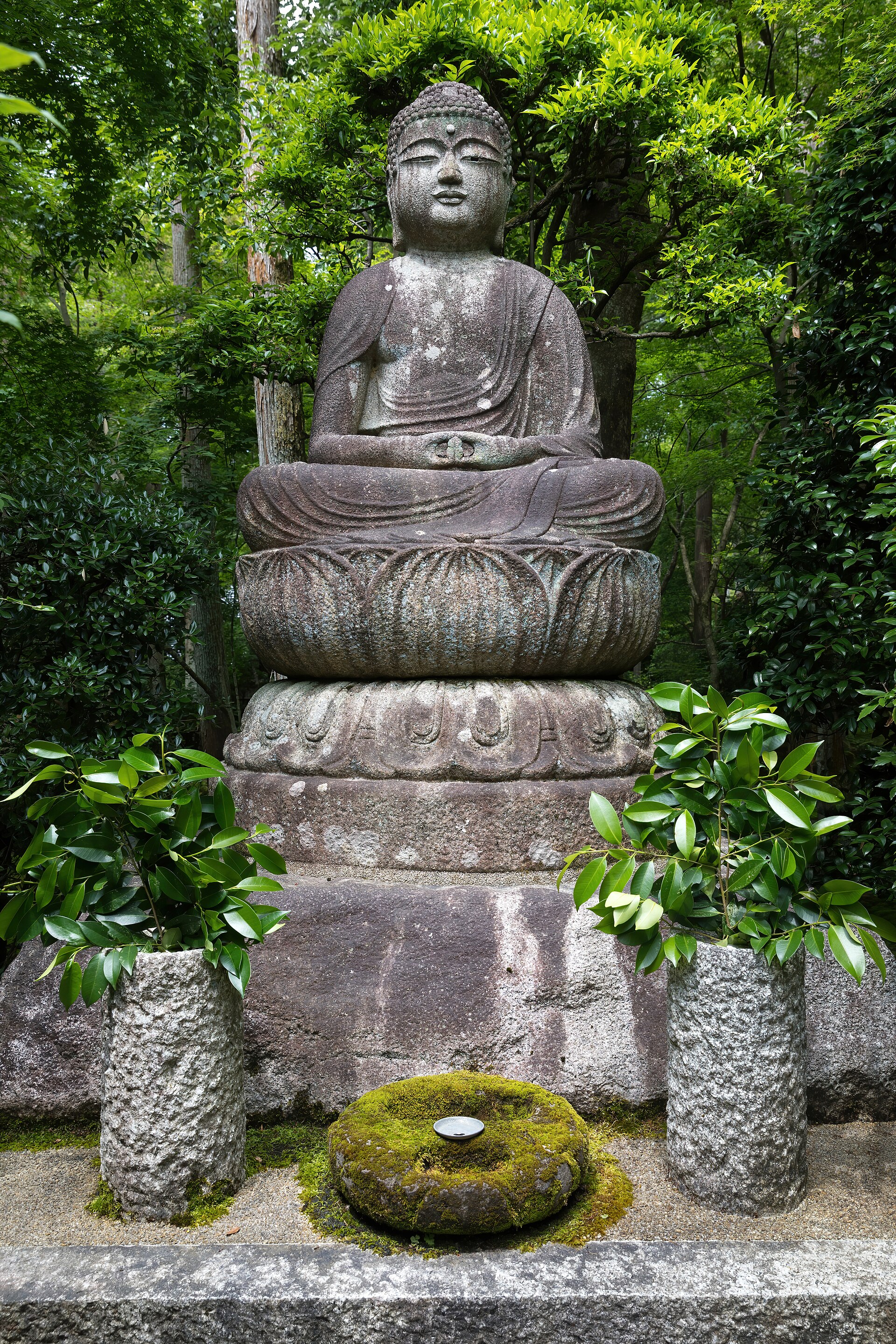
Chapter 24 of the Dhammapada is the book’s longest sustained argument, and it is about craving — thirst, the creeper that spreads by night, the house-builder who builds again and again. Verse 154 is its most famous line: I have seen you, house-builder, you will not build a house again; your rafters are all broken.
The verses collected here cover both the diagnosis and the release. Craving is described as a tie that the wise cut (chapter 24), and letting go is described as what the awakened do rather than as an act of will — verse 89 speaks of those who have let go of what they had.
The verses
In book order. Open any verse for the Pali, the copy button and the card maker.
“Just as rain doesn’t seep into a well roofed house, lust doesn’t seep into a well developed mind.”
Yathā agāraṁ suchannaṁ, vuṭṭhī na samativijjhati; Evaṁ subhāvitaṁ cittaṁ, rāgo na samativijjhati.
“Little though they may recite scripture, if they live in line with the teaching, having given up greed, hate, and delusion, with deep understanding and heart well freed, not grasping to this life or the next, they share in the blessings of the ascetic life.”
Appampi ce saṁhita bhāsamāno, Dhammassa hoti anudhammacārī; Rāgañca dosañca pahāya mohaṁ, Sammappajāno suvimuttacitto; Anupādiyāno idha vā huraṁ vā, Sa bhāgavā sāmaññassa hoti. Yamakavaggo paṭhamo.
“A mendicant who loves diligence, seeing fear in negligence— advances like fire, burning up fetters big and small.”
Appamādarato bhikkhu, pamāde bhayadassi vā; Saṁyojanaṁ aṇuṁ thūlaṁ, ḍahaṁ aggīva gacchati.
““Let both layfolk and renunciants think the work was done by me alone. In anything at all that’s to be done, let them fall under my sway alone.” So thinks the fool, their greed and pride only growing.”
Mameva kata maññantu, gihī pabbajitā ubho; Mamevātivasā assu, kiccākiccesu kismici; Iti bālassa saṅkappo, icchā māno ca vaḍḍhati.
“True persons give up everything, they don’t cajole for the things they desire. Though touched by sadness or happiness, the astute appear neither depressed nor elated.”
Sabbattha ve sappurisā cajanti, Na kāmakāmā lapayanti santo; Sukhena phuṭṭhā atha vā dukhena, Na uccāvacaṁ paṇḍitā dassayanti.
“And those whose minds are rightly developed in the awakening factors; who, letting go of attachments, delight in not grasping: with defilements ended, brilliant, they are quenched in this world.”
Yesaṁ sambodhiyaṅgesu, sammā cittaṁ subhāvitaṁ; Ādānapaṭinissagge, anupādāya ye ratā; Khīṇāsavā jutimanto, te loke parinibbutā. Paṇḍitavaggo chaṭṭho.
“One whose defilements have ended; who’s not attached to food; whose domain is the liberation of the signless and the empty: their track is hard to trace, like birds in the sky.”
Yassāsavā parikkhīṇā, āhāre ca anissito; Suññato animitto ca, vimokkho yassa gocaro; Ākāseva sakuntānaṁ, padaṁ tassa durannayaṁ.
“Delightful are the wildernesses where no people delight. Those free of greed will delight there, not those who seek sensual pleasures.”
Ramaṇīyāni araññāni, yattha na ramatī jano; Vītarāgā ramissanti, na te kāmagavesino. Arahantavaggo sattamo.
“I’ve seen you, house-builder! You won’t build a house again! Your rafters are all broken, your roof-peak demolished. The mind, set on demolition, has reached the end of cravings.”
Gahakāraka diṭṭhosi, puna gehaṁ na kāhasi; Sabbā te phāsukā bhaggā, gahakūṭaṁ visaṅkhataṁ; Visaṅkhāragataṁ cittaṁ, taṇhānaṁ khayamajjhagā.
“Of craving, the weaver, the clinger, he has none: so where can he be traced? By what track would you trace that Buddha, who leaves no track in his infinite range?”
Yassa jālinī visattikā, Taṇhā natthi kuhiñci netave; Taṁ buddhamanantagocaraṁ, Apadaṁ kena padena nessatha.
“Thus they find no delight even in celestial pleasures. A disciple of the fully awakened Buddha delights in the ending of craving.”
Api dibbesu kāmesu, ratiṁ so nādhigacchati; Taṇhakkhayarato hoti, sammāsambuddhasāvako.
“Let us live so very happily, content among the greedy. Among greedy humans, let us live content.”
Susukhaṁ vata jīvāma, ussukesu anussukā; Ussukesu manussesu, viharāma anussukā.
“There is no fire like greed, no crime like hate, no suffering like the aggregates, no bliss beyond peace.”
Natthi rāgasamo aggi, Natthi dosasamo kali; Natthi khandhasamā dukkhā, Natthi santiparaṁ sukhaṁ.
“Applying yourself where you ought not, neglecting what you should be doing, forgetting your goal, you cling to what you hold dear, jealous of those devoted to their heart’s goal.”
Ayoge yuñjamattānaṁ, yogasmiñca ayojayaṁ; Atthaṁ hitvā piyaggāhī, pihetattānuyoginaṁ.
“Sorrow springs from attachment, fear springs from attachment; one free from attachment has no sorrow, let alone fear.”
Pemato jāyatī soko, pemato jāyatī bhayaṁ; Pemato vippamuttassa, natthi soko kuto bhayaṁ.
“Sorrow springs from desire, fear springs from desire; one free from desire has no sorrow, let alone fear.”
Kāmato jāyatī soko, kāmato jāyatī bhayaṁ; Kāmato vippamuttassa, natthi soko kuto bhayaṁ.
“Sorrow springs from craving, fear springs from craving; one free from craving has no sorrow, let alone fear.”
Taṇhāya jāyatī soko, taṇhāya jāyatī bhayaṁ; Taṇhāya vippamuttassa, natthi soko kuto bhayaṁ.
“Give up anger, get rid of conceit, and escape every fetter. Sufferings don’t befall one who has nothing, not clinging to name and form.”
Kodhaṁ jahe vippajaheyya mānaṁ, Saṁyojanaṁ sabbamatikkameyya; Taṁ nāmarūpasmimasajjamānaṁ, Akiñcanaṁ nānupatanti dukkhā.
“Life is hard for the conscientious, always seeking purity, neither clinging nor rude, pure of livelihood and discerning.”
Hirīmatā ca dujjīvaṁ, niccaṁ sucigavesinā; Alīnenāppagabbhena, suddhājīvena passatā.
“Know this, my man: they are unrestrained and wicked. Don’t let that greed and unrighteousness inflict pain on you for long.”
Evaṁ bho purisa jānāhi, pāpadhammā asaññatā; Mā taṁ lobho adhammo ca, ciraṁ dukkhāya randhayuṁ.
“There is no fire like greed, no crime like hate, no net like delusion, no river like craving.”
Natthi rāgasamo aggi, natthi dosasamo gaho; Natthi mohasamaṁ jālaṁ, natthi taṇhāsamā nadī.
“A liar and breaker of vows is no ascetic just because they shave their head. How on earth can one be an ascetic who’s full of desire and greed?”
Na muṇḍakena samaṇo, abbato alikaṁ bhaṇaṁ; Icchālobhasamāpanno, samaṇo kiṁ bhavissati.
“When kusa grass is wrongly grasped it only cuts the hand. So too, the ascetic life, when wrongly taken, drags you to hell.”
Kuso yathā duggahito, hatthamevānukantati; Sāmaññaṁ dupparāmaṭṭhaṁ, nirayāyupakaḍḍhati.
“When a man lives heedlessly, craving grows in them like a camel’s foot creeper. They jump from one thing to the next, like a langur greedy for fruit in a forest grove.”
Manujassa pamattacārino, Taṇhā vaḍḍhati māluvā viya; So plavatī hurā huraṁ, Phalamicchaṁva vanasmi vānaro.
“Whoever is beaten by this wretched craving, this attachment to the world, their sorrow grows, like grass in the rain.”
Yaṁ esā sahate jammī, taṇhā loke visattikā; Sokā tassa pavaḍḍhanti, abhivaṭṭhaṁva bīraṇaṁ.
“But whoever prevails over this wretched craving, so hard to get over in the world, their sorrows fall from them, like a drop from a lotus-leaf.”
Yo cetaṁ sahate jammiṁ, taṇhaṁ loke duraccayaṁ; Sokā tamhā papatanti, udabinduva pokkharā.
“I say this to you, good people, all those who have gathered here: dig up the root of craving, as you’d dig up grass in search of roots. Don’t let Māra break you again and again, like a stream breaking a reed.”
Taṁ vo vadāmi bhaddaṁ vo, yāvantettha samāgatā; Taṇhāya mūlaṁ khaṇatha, usīratthova bīraṇaṁ; Mā vo naḷaṁva sotova, māro bhañji punappunaṁ.
“A tree grows back even when cut down, so long as its roots are strong and undamaged; suffering springs up again and again, so long as the tendency to craving is not pulled out.”
Yathāpi mūle anupaddave daḷhe, Chinnopi rukkho punareva rūhati; Evampi taṇhānusaye anūhate, Nibbattatī dukkhamidaṁ punappunaṁ.
“A person of low views in whom the thirty-six streams that flow to pleasure are mighty, is swept away by lustful thoughts.”
Yassa chattiṁsati sotā, manāpasavanā bhusā; Mahāvahanti duddiṭṭhiṁ, saṅkappā rāganissitā.
“A personage’s joys flow from senses and cravings. Seekers of happiness, bent on pleasure, continue to be reborn and grow old.”
Saritāni sinehitāni ca, Somanassāni bhavanti jantuno; Te sātasitā sukhesino, Te ve jātijarūpagā narā.
“People governed by thirst, crawl about like a trapped rabbit. Bound and fettered, for a long time they return to pain time and again.”
Tasiṇāya purakkhatā pajā, Parisappanti sasova bandhito; Saṁyojanasaṅgasattakā, Dukkhamupenti punappunaṁ cirāya.
“People governed by thirst, crawl about like a trapped rabbit. That’s why one who longs for dispassion should dispel thirst.”
Tasiṇāya purakkhatā pajā, Parisappanti sasova bandhito; Tasmā tasiṇaṁ vinodaye, Ākaṅkhanta virāgamattano.
“Besotted by lust they fall into the stream, like a spider caught in the web she wove. The attentive proceed, having cut this one too, unconcerned, having given up all suffering.”
Ye rāgarattānupatanti sotaṁ, Sayaṅkataṁ makkaṭakova jālaṁ; Etampi chetvāna vajanti dhīrā, Anapekkhino sabbadukkhaṁ pahāya.
“Let go of the past, let go of the future, let go of the present, having gone beyond rebirth. With your heart freed in every respect, you’ll not come again to rebirth and old age.”
Muñca pure muñca pacchato, Majjhe muñca bhavassa pāragū; Sabbattha vimuttamānaso, Na punaṁ jātijaraṁ upehisi.
“For a personage churned by thoughts, very lustful, focusing on beauty, their craving grows and grows, tying them with a stout bond.”
Vitakkamathitassa jantuno, Tibbarāgassa subhānupassino; Bhiyyo taṇhā pavaḍḍhati, Esa kho daḷhaṁ karoti bandhanaṁ.
“But one who loves to calm their thoughts, developing perception of ugliness, ever mindful, will surely eliminate that craving, cutting off the bonds of Māra.”
Vitakkūpasame ca yo rato, Asubhaṁ bhāvayate sadā sato; Esa kho byanti kāhiti, Esa checchati mārabandhanaṁ.
“One who is confident, unafraid, rid of craving, free of blemish, having struck down the arrows flying to future lives, this bag of bones is their last.”
Niṭṭhaṅgato asantāsī, vītataṇho anaṅgaṇo; Acchindi bhavasallāni, antimoyaṁ samussayo.
“Rid of craving, free of grasping, expert in the definition of terms, knowing the correct structure and sequence of syllables, they are said to be one who bears their final body, one of great wisdom, a great person.”
Vītataṇho anādāno, Niruttipadakovido; Akkharānaṁ sannipātaṁ, Jaññā pubbāparāni ca; Sa ve “antimasārīro, Mahāpañño mahāpuriso”ti vuccati.
“I am the vanquisher of all, the knower of all, unsullied in the midst of all things. I’ve given up all, freed in the ending of craving. Since I know for myself, whose follower should I be?”
Sabbābhibhū sabbavidūhamasmi, Sabbesu dhammesu anūpalitto; Sabbañjaho taṇhakkhaye vimutto, Sayaṁ abhiññāya kamuddiseyyaṁ.
“The gift of the teaching surmounts all other gifts; the taste of the teaching surmounts all other tastes; the joy of the teaching surmounts all other joys; the ending of craving surmounts all suffering.”
Sabbadānaṁ dhammadānaṁ jināti, Sabbarasaṁ dhammaraso jināti; Sabbaratiṁ dhammarati jināti, Taṇhakkhayo sabbadukkhaṁ jināti.
“Riches ruin a simpleton, but not a seeker of the far shore. From craving for wealth, a simpleton ruins themselves and others.”
Hananti bhogā dummedhaṁ, no ca pāragavesino; Bhogataṇhāya dummedho, hanti aññeva attanaṁ.
“Weeds are the bane of crops, but greed is these folk’s bane. That’s why a gift to one rid of greed is so very fruitful.”
Tiṇadosāni khettāni, rāgadosā ayaṁ pajā; Tasmā hi vītarāgesu, dinnaṁ hoti mahapphalaṁ.
“Weeds are the bane of crops, but desire is these folk’s bane. That’s why a gift to one rid of desire is so very fruitful.”
Tiṇadosāni khettāni, icchādosā ayaṁ pajā; Tasmā hi vigaticchesu, dinnaṁ hoti mahapphalaṁ. Taṇhāvaggo catuvīsatimo.
“Bail out this boat, mendicant! When bailed out it will float lightly. Having cut off desire and hate, you shall reach extinguishment.”
Siñca bhikkhu imaṁ nāvaṁ, sittā te lahumessati; Chetvā rāgañca dosañca, tato nibbānamehisi.
Showing 45 of 57. The rest are on the full text page.
Where these verses sit
1. Pairs2. Diligence5. The Fool6. The Astute7. The Perfected Ones11. Old Age14. The Buddhas15. Happiness16. The Beloved17. Anger18. Stains19. The Just22. Hell24. Craving25. Mendicants
Most of these verses come from chapter 1, which the book arranges as a short run on one subject rather than as isolated lines. The opening chapter works in pairs: twenty verses arranged as ten twin verses, each pair holding the same situation in two forms and repeating the same refrain. It opens with the line that sets up the whole book — intention is the leader of things — and then runs the contrast through blame and forgiveness, hatred and its ending, and the difference between a mind that is guarded and one that is not.
Questions
What is verse 154 about?
It is the house-builder verse: “I’ve seen you, house-builder! You won’t build a house again! Your rafters are all broken.” It is traditionally read as the moment craving is seen through, and it is the verse the book is best known for.
Does the Dhammapada say desire is bad?
It distinguishes. The word it uses for the problem is taṇhā, thirst — the wanting that renews itself — and chapter 24 is about that. Ordinary preference is not the target.
Which chapter is about craving?
Chapter 24, Taṇhāvagga, verses 334–359: twenty-six verses, the longest chapter in the book, and the most concentrated treatment of the subject.
Read next
Every line on this page is a verse of the Dhammapada, numbered and unaltered. English translation by Bhikkhu Sujato, released CC0 via SuttaCentral; the Pali is the Mahāsaṅgīti edition held there. See sources for the full licence trail.