“For never is hatred laid to rest by hate, it’s laid to rest by love: this is an ancient teaching.”
Na hi verena verāni, sammantīdha kudācanaṁ; Averena ca sammanti, esa dhammo sanantano.
Short Buddhist Quotes, from the Dhammapada
109 verses of 423 · English by Bhikkhu Sujato (CC0) · Pali alongside
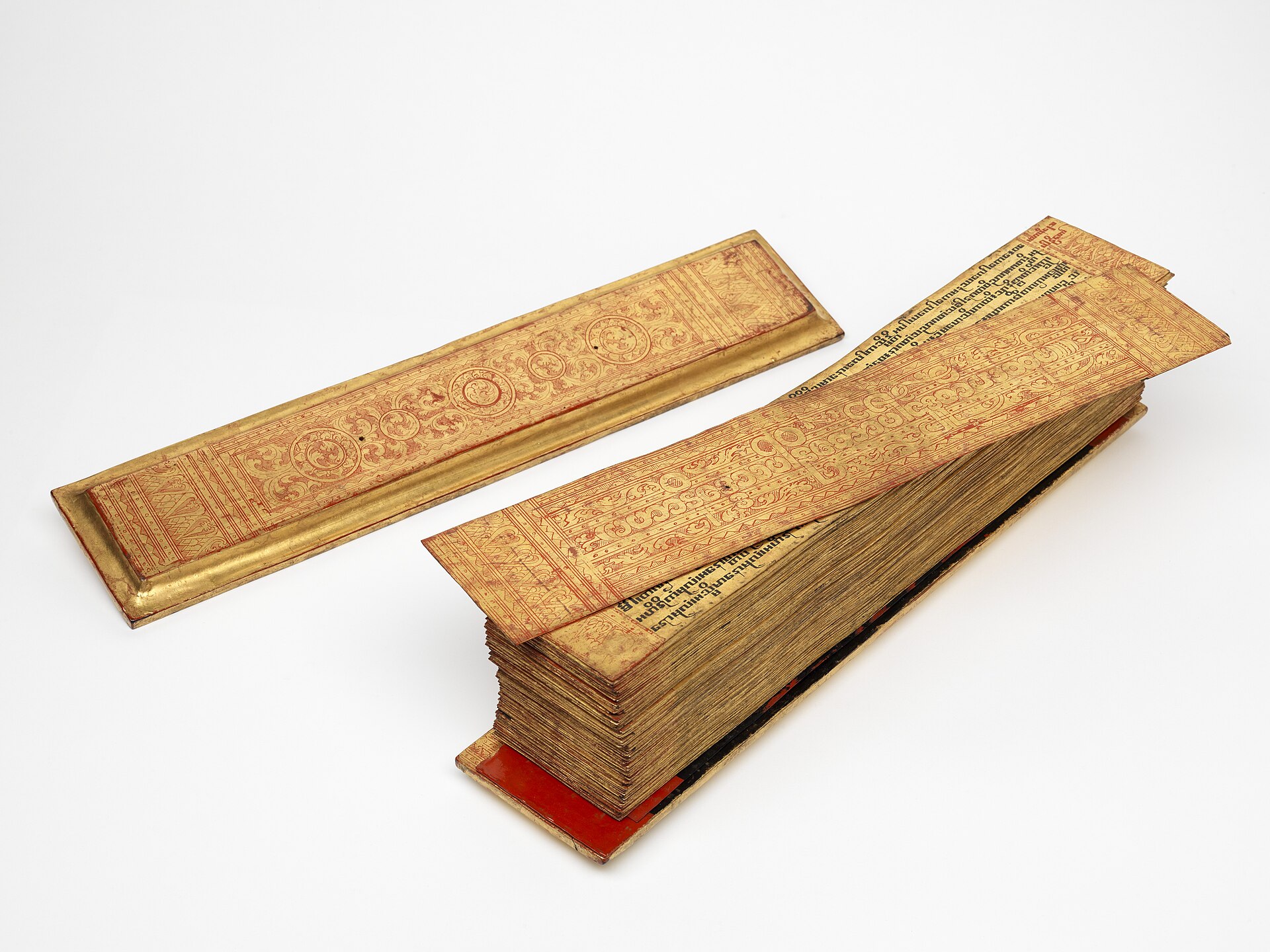
These are the verses of the Dhammapada short enough to put on a card without cutting the sentence. Nothing is paraphrased and nothing is shortened: each line is a complete verse of Sujato’s translation, taken whole.
If you want the long ones too, the complete book is on the full text page, and any verse can be turned into a card from its own page.
The verses
In book order. Open any verse for the Pali, the copy button and the card maker.
“Just as rain seeps into a poorly roofed house, lust seeps into an undeveloped mind.”
Yathā agāraṁ ducchannaṁ, vuṭṭhī samativijjhati; Evaṁ abhāvitaṁ cittaṁ, rāgo samativijjhati.
“Fools and simpletons devote themselves to negligence. But the wise protect diligence as their best treasure.”
Pamādamanuyuñjanti, bālā dummedhino janā; Appamādañca medhāvī, dhanaṁ seṭṭhaṁva rakkhati.
“Hard to hold back, flighty, alighting where it will; it’s good to tame the mind; a tamed mind leads to bliss.”
Dunniggahassa lahuno, yatthakāmanipātino; Cittassa damatho sādhu, cittaṁ dantaṁ sukhāvahaṁ.
“All too soon this body will lie upon the earth, bereft of consciousness, tossed aside like a worthless log.”
Aciraṁ vatayaṁ kāyo, pathaviṁ adhisessati; Chuddho apetaviññāṇo, niratthaṁva kaliṅgaraṁ.
“A rightly directed mind would do you more good than your mother or father or any other relative.”
Na taṁ mātā pitā kayirā, aññe vāpi ca ñātakā; Sammāpaṇihitaṁ cittaṁ, seyyaso naṁ tato kare. Cittavaggo tatiyo.
“Just like a glorious flower that’s both colorful and fragrant, eloquent speech is fruitful for one who acts on it.”
Yathāpi ruciraṁ pupphaṁ, Vaṇṇavantaṁ sagandhakaṁ; Evaṁ subhāsitā vācā, Saphalā hoti kubbato.
“Faint is the fragrance of sandal or pinwheel; but the fragrance of the virtuous floats to the highest gods.”
Appamatto ayaṁ gandho, yāyaṁ tagaracandanī; Yo ca sīlavataṁ gandho, vāti devesu uttamo.
“Fools and simpletons behave like their own worst enemies, doing wicked deeds that ripen as bitter fruit.”
Caranti bālā dummedhā, amitteneva attanā; Karontā pāpakaṁ kammaṁ, yaṁ hoti kaṭukapphalaṁ.
“It is good to do a deed that doesn’t plague you later on, that gladdens and cheers, as its effect stays with you.”
Tañca kammaṁ kataṁ sādhu, yaṁ katvā nānutappati; Yassa patīto sumano, vipākaṁ paṭisevati.
“Don’t mix with bad friends, nor with the worst of men. Mix with spiritual friends, and with the best of men.”
Na bhaje pāpake mitte, na bhaje purisādhame; Bhajetha mitte kalyāṇe, bhajetha purisuttame.
“As the wind cannot stir a solid mass of rock, so too blame and praise do not affect the wise.”
Selo yathā ekaghano, vātena na samīrati; Evaṁ nindāpasaṁsāsu, na samiñjanti paṇḍitā.
“Few are those among humans who cross to the far shore. The rest just run around on the near shore.”
Appakā te manussesu, ye janā pāragāmino; Athāyaṁ itarā pajā, tīramevānudhāvati.
“Better than a thousand meaningless sayings is a single meaningful saying, hearing which brings you peace.”
Sahassamapi ce vācā, anatthapadasaṁhitā; Ekaṁ atthapadaṁ seyyo, yaṁ sutvā upasammati.
“Better than reciting a hundred meaningless verses is a single saying of Dhamma, hearing which brings you peace.”
Yo ca gāthā sataṁ bhāse, anatthapadasaṁhitā; Ekaṁ dhammapadaṁ seyyo, yaṁ sutvā upasammati.
“no god nor centaur, nor Māra nor divinity, can undo the victory of such a personage.”
Neva devo na gandhabbo, na māro saha brahmunā; Jitaṁ apajitaṁ kayirā, tathārūpassa jantuno.
“Better to live a single day seeing rise and fall than to live a hundred years blind to rise and fall.”
Yo ca vassasataṁ jīve, apassaṁ udayabbayaṁ; Ekāhaṁ jīvitaṁ seyyo, passato udayabbayaṁ.
“Better to live a single day seeing the supreme teaching than to live a hundred years blind to the supreme teaching.”
Yo ca vassasataṁ jīve, apassaṁ dhammamuttamaṁ; Ekāhaṁ jīvitaṁ seyyo, passato dhammamuttamaṁ. Sahassavaggo aṭṭhamo.
“If you do something bad, don’t do it again and again, don’t set your heart on it, for piling up evil is suffering.”
Pāpañce puriso kayirā, Na naṁ kayirā punappunaṁ; Na tamhi chandaṁ kayirātha, Dukkho pāpassa uccayo.
“Some are born in a womb; evildoers go to hell; the virtuous go to heaven; the undefiled are fully extinguished.”
Gabbhameke uppajjanti, nirayaṁ pāpakammino; Saggaṁ sugatino yanti, parinibbanti anāsavā.
“All tremble at the rod, all love life. Treating others like oneself, neither kill nor incite to kill.”
Sabbe tasanti daṇḍassa, sabbesaṁ jīvitaṁ piyaṁ; Attānaṁ upamaṁ katvā, na haneyya na ghātaye.
“As a cowherd drives the cows to pasture with the rod, so too old age and death drive life from living beings.”
Yathā daṇḍena gopālo, gāvo pājeti gocaraṁ; Evaṁ jarā ca maccu ca, āyuṁ pājenti pāṇinaṁ.
“One who violently attacks the peaceful and the innocent swiftly falls to one of ten bad states:”
Yo daṇḍena adaṇḍesu, appaduṭṭhesu dussati; Dasannamaññataraṁ ṭhānaṁ, khippameva nigacchati.
“hazards from rulers; vicious slander; loss of kin; destruction of wealth;”
Rājato vā upasaggaṁ, Abbhakkhānaṁ va dāruṇaṁ; Parikkhayaṁ va ñātīnaṁ, Bhogānaṁ va pabhaṅguraṁ.
“What is joy, what is laughter, when the flames are ever burning? Swathed in darkness, would you not seek a light?”
Ko nu hāso kimānando, niccaṁ pajjalite sati; Andhakārena onaddhā, padīpaṁ na gavesatha.
“This body is decrepit and frail, a nest of disease. This foul carcass falls apart, for life ends in death.”
Parijiṇṇamidaṁ rūpaṁ, roganīḷaṁ pabhaṅguraṁ; Bhijjati pūtisandeho, maraṇantañhi jīvitaṁ.
“A person of little learning ages like an ox— their flesh grows, but not their wisdom.”
Appassutāyaṁ puriso, balībaddhova jīrati; Maṁsāni tassa vaḍḍhanti, paññā tassa na vaḍḍhati.
“It’s easy to do bad things harmful to oneself, but good things that are helpful are the hardest things to do.”
Sukarāni asādhūni, attano ahitāni ca; Yaṁ ve hitañca sādhuñca, taṁ ve paramadukkaraṁ.
“Don’t resort to lowly things, don’t abide in negligence, don’t resort to wrong views, don’t perpetuate the world.”
Hīnaṁ dhammaṁ na seveyya, pamādena na saṁvase; Micchādiṭṭhiṁ na seveyya, na siyā lokavaḍḍhano.
“Come, see this world decked out like a fancy royal chariot. Here fools founder, but the discerning are not chained.”
Etha passathimaṁ lokaṁ, cittaṁ rājarathūpamaṁ; Yattha bālā visīdanti, natthi saṅgo vijānataṁ.
“Someone whose bad deed is supplanted by the good, shines upon this world, like the moon freed from clouds.”
Yassa pāpaṁ kataṁ kammaṁ, kusalena pidhīyati; Somaṁ lokaṁ pabhāseti, abbhā muttova candimā.
“Not to do any evil; to embrace the good; to purify one’s mind: this is the instruction of the Buddhas.”
Sabbapāpassa akaraṇaṁ, kusalassa upasampadā; Sacittapariyodapanaṁ, etaṁ buddhāna sāsanaṁ.
“Such refuge is a sanctuary, it is the supreme refuge. By going to that refuge, you’re released from all suffering.”
Etaṁ kho saraṇaṁ khemaṁ, etaṁ saraṇamuttamaṁ; Etaṁ saraṇamāgamma, sabbadukkhā pamuccati.
“Let us live so very happily, loving among the hostile. Among hostile humans, let us live with love.”
Susukhaṁ vata jīvāma, verinesu averino; Verinesu manussesu, viharāma averino.
“Let us live so very happily, content among the greedy. Among greedy humans, let us live content.”
Susukhaṁ vata jīvāma, ussukesu anussukā; Ussukesu manussesu, viharāma anussukā.
“Victory breeds enmity; the defeated sleep badly. The peaceful sleep at ease, having left victory and defeat behind.”
Jayaṁ veraṁ pasavati, dukkhaṁ seti parājito; Upasanto sukhaṁ seti, hitvā jayaparājayaṁ.
“Sorrow springs from relishing, fear springs from relishing; one free from relishing has no sorrow, let alone fear.”
Ratiyā jāyatī soko, ratiyā jāyatī bhayaṁ; Ratiyā vippamuttassa, natthi soko kuto bhayaṁ.
“Sorrow springs from craving, fear springs from craving; one free from craving has no sorrow, let alone fear.”
Taṇhāya jāyatī soko, taṇhāya jāyatī bhayaṁ; Taṇhāya vippamuttassa, natthi soko kuto bhayaṁ.
“Defeat anger with kindness, villainy with virtue, stinginess with giving, and lies with truth.”
Akkodhena jine kodhaṁ, asādhuṁ sādhunā jine; Jine kadariyaṁ dānena, saccenālikavādinaṁ.
“Those harmless sages, always restrained in body, go to the state that does not pass, where there is no sorrow.”
Ahiṁsakā ye munayo, niccaṁ kāyena saṁvutā; Te yanti accutaṁ ṭhānaṁ, yattha gantvā na socare.
“There never was, nor will be, nor is there today, someone who is wholly praised or wholly blamed.”
Na cāhu na ca bhavissati, na cetarahi vijjati; Ekantaṁ nindito poso, ekantaṁ vā pasaṁsito.
“Misconduct is a woman’s stain. A giver’s stain is stinginess. Bad qualities are a stain in this world and the next.”
Malitthiyā duccaritaṁ, maccheraṁ dadato malaṁ; Malā ve pāpakā dhammā, asmiṁ loke paramhi ca.
“Take anyone in this world who kills living creatures, speaks falsely, steals, commits adultery,”
Yo pāṇamatipāteti, musāvādañca bhāsati; Loke adinnamādiyati, paradārañca gacchati.
“There is no fire like greed, no crime like hate, no net like delusion, no river like craving.”
Natthi rāgasamo aggi, natthi dosasamo gaho; Natthi mohasamaṁ jālaṁ, natthi taṇhāsamā nadī.
“A wise one judges others without haste, justly and impartially; that guardian of the law is said to be just.”
Asāhasena dhammena, samena nayatī pare; Dhammassa gutto medhāvī, “dhammaṭṭho”ti pavuccati.
“One who stops all wicked deeds, great and small, because of stopping wicked deeds is said to be an ascetic.”
Yo ca sameti pāpāni, aṇuṁthūlāni sabbaso; Samitattā hi pāpānaṁ, “samaṇo”ti pavuccati.
““Here I will stay for the rains; here for winter, here the summer”; thus the fool thinks, not realizing the danger.”
Idha vassaṁ vasissāmi, idha hemantagimhisu; Iti bālo vicinteti, antarāyaṁ na bujjhati.
“The disciples of Gotama always wake up refreshed, who day and night constantly recollect the Buddha.”
Suppabuddhaṁ pabujjhanti, sadā gotamasāvakā; Yesaṁ divā ca ratto ca, niccaṁ buddhagatā sati.
“The disciples of Gotama always wake up refreshed, who day and night constantly recollect the Saṅgha.”
Suppabuddhaṁ pabujjhanti, sadā gotamasāvakā; Yesaṁ divā ca ratto ca, niccaṁ saṅghagatā sati.
“The disciples of Gotama always wake up refreshed, whose minds day and night delight in harmlessness.”
Suppabuddhaṁ pabujjhanti, sadā gotamasāvakā; Yesaṁ divā ca ratto ca, ahiṁsāya rato mano.
“The disciples of Gotama always wake up refreshed, whose minds day and night delight in meditation.”
Suppabuddhaṁ pabujjhanti, sadā gotamasāvakā; Yesaṁ divā ca ratto ca, bhāvanāya rato mano.
“Unashamed of what is shameful, ashamed of what is not shameful; beings who uphold wrong view go to a bad place.”
Alajjitāye lajjanti, lajjitāye na lajjare; Micchādiṭṭhisamādānā, sattā gacchanti duggatiṁ.
“Seeing fault where there is none, and blind to the actual fault, beings who uphold wrong view go to a bad place.”
Avajje vajjamatino, vajje cāvajjadassino; Micchādiṭṭhisamādānā, sattā gacchanti duggatiṁ.
“Like an elephant struck with arrows in battle, I shall endure abuse, for so many folk are badly behaved.”
Ahaṁ nāgova saṅgāme, cāpato patitaṁ saraṁ; Ativākyaṁ titikkhissaṁ, dussīlo hi bahujjano.
“Delight in diligence! Take good care of your mind! Pull yourself out of this pit, like an elephant sunk in a bog.”
Appamādaratā hotha, sacittamanurakkhatha; Duggā uddharathattānaṁ, paṅke sannova kuñjaro.
“As a jasmine sheds its withered flowers, O mendicants, shed greed and hate.”
Vassikā viya pupphāni, maddavāni pamuñcati; Evaṁ rāgañca dosañca, vippamuñcetha bhikkhavo.
“A young mendicant devoted to the Buddha’s teaching, shines upon this world, like the moon freed from clouds.”
Yo have daharo bhikkhu, yuñjati buddhasāsane; Somaṁ lokaṁ pabhāseti, abbhā muttova candimā. Bhikkhuvaggo pañcavīsatimo.
“Who does nothing wrong by body, speech or mind, restrained in these three respects, that’s who I declare a brahmin.”
Yassa kāyena vācāya, manasā natthi dukkaṭaṁ; Saṁvutaṁ tīhi ṭhānehi, tamahaṁ brūmi brāhmaṇaṁ.
“They have no hope in this world or the next; with no need for hope, detached: that’s who I declare a brahmin.”
Āsā yassa na vijjanti, asmiṁ loke paramhi ca; Nirāsāsaṁ visaṁyuttaṁ, tamahaṁ brūmi brāhmaṇaṁ.
“Pure as the spotless moon, clear and unclouded, they’ve ended relish for rebirth: that’s who I declare a brahmin.”
Candaṁva vimalaṁ suddhaṁ, vippasannamanāvilaṁ; Nandībhavaparikkhīṇaṁ, tamahaṁ brūmi brāhmaṇaṁ.
Showing 60 of 109. The rest are on the full text page.
Where these verses sit
1. Pairs2. Diligence3. The Mind4. Flowers5. The Fool6. The Astute8. The Thousands9. Wickedness10. The Rod11. Old Age12. The Self13. The World14. The Buddhas15. Happiness16. The Beloved17. Anger18. Stains19. The Just20. The Path21. Miscellaneous22. Hell23. Elephants25. Mendicants26. Brahmins
Most of these verses come from chapter 1, which the book arranges as a short run on one subject rather than as isolated lines. The opening chapter works in pairs: twenty verses arranged as ten twin verses, each pair holding the same situation in two forms and repeating the same refrain. It opens with the line that sets up the whole book — intention is the leader of things — and then runs the contrast through blame and forgiveness, hatred and its ending, and the difference between a mind that is guarded and one that is not.
Questions
What counts as a short quote here?
A verse whose English runs about 115 characters or less — short enough to sit on a post without truncation. The filter is mechanical, so the selection is reproducible.
Are short Buddha quotes more likely to be fake?
Shorter quotes travel better, so they are more likely to drift. Every line on this page exists in the Dhammapada with a verse number, which is the check that most circulating “Buddha quotes” fail.
Can I use these on a card?
Yes — each verse page has copy and card buttons, and the cards are paper-and-ink, 1080×1080 or 1080×1920. The translation is CC0, so attribution is not required, though it is good practice.
Read next
Every line on this page is a verse of the Dhammapada, numbered and unaltered. English translation by Bhikkhu Sujato, released CC0 via SuttaCentral; the Pali is the Mahāsaṅgīti edition held there. See sources for the full licence trail.